safeledger logo
Business Setup

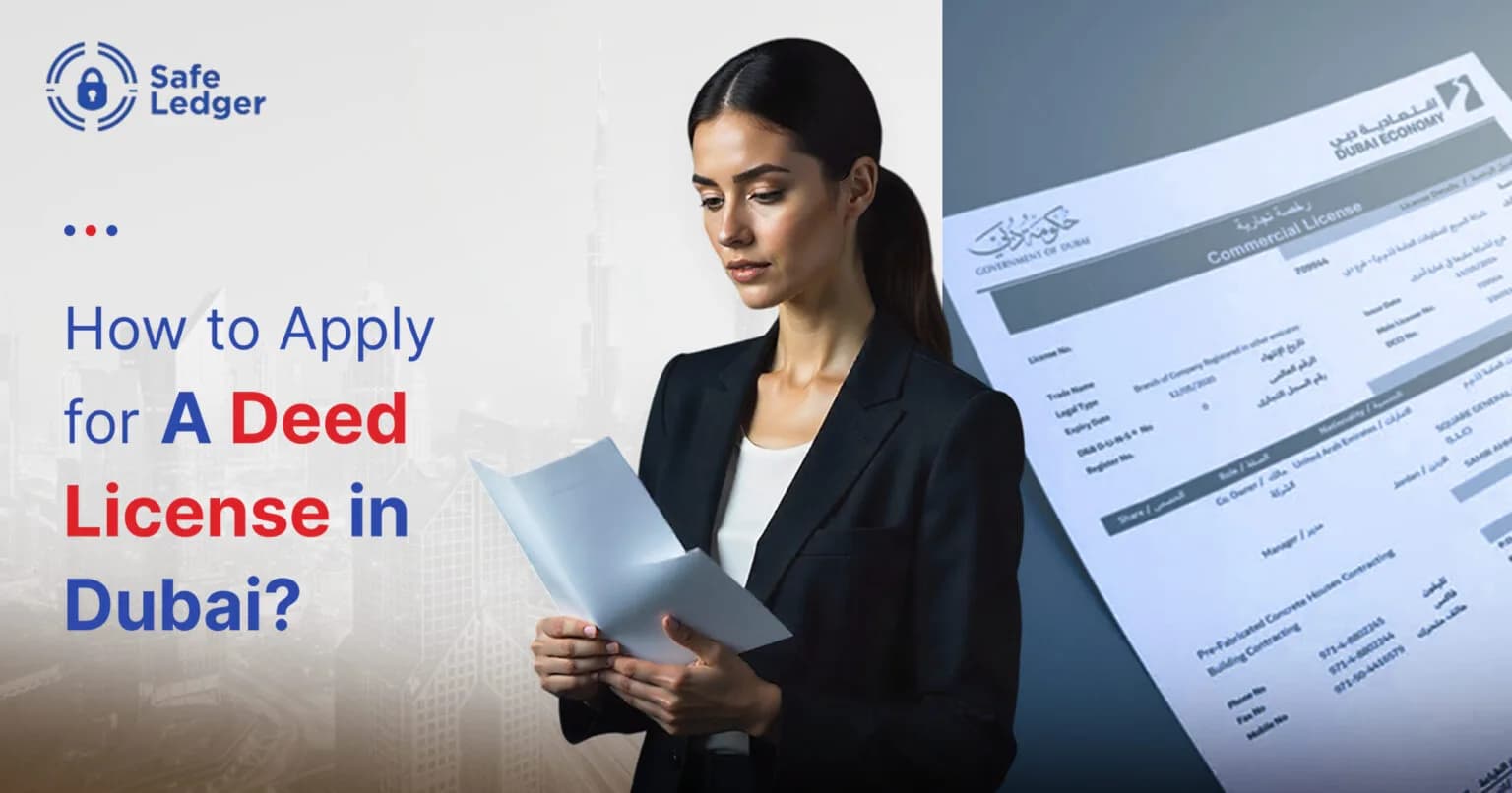
How to Apply for a DED License in Dubai?

Reading Time8 min read
How to Apply for a DED License in Dubai?
Table of Contents

Introduction

Dubai’s vibrant economy and strategic location make it a top choice for entrepreneurs and investors worldwide. The city offers a business-friendly environment and world-class infrastructure. But to operate on the mainland, you must get a DED license. This is not just a legal requirement; it’s your key to accessing the full Dubai market. This guide provides a clear, step-by-step process for applying for a DED license.

This blog will cover everything from what a DED license is to its cost and common mistakes to avoid. This information is crucial for startups, foreign investors, and consultants who want to set up a business in Dubai.

What is a DED License?

A DED license is your official permit to conduct or set up business in Dubai’s mainland. The Department of Economic Development (DED), now part of the Department of Economy and Tourism (DET), issues this license. It allows your business to operate freely across the emirate, engage in local trade, and enter government contracts.

Entrepreneurs must understand the difference between a DED license and a Free Zone license. Free Zone companies operate within designated economic zones and enjoy certain benefits like 100% foreign ownership and tax exemptions. However, they face restrictions on doing business directly with the mainland market. A DED license, on the other hand, gives you full access to the entire UAE market.

There are three main types of DED licenses. Your business activity determines which license you need:

  • Commercial License: This license is for businesses that buy, sell, or trade goods. It covers a wide range of activities, including general trading, retail, and e-commerce.
  • Professional License: You need a professional license if you offer services or use your professional skills. This includes consultants, designers, accountants, and freelancers.
  • Industrial License: Businesses that manufacture, process, or produce goods need an industrial license. This license is for factories, food producers, and other industrial operations.

Note: The DET also issues Tourism Licenses (through its tourism wing) and Specialized Licenses for specific activities, such as freelancers or branch offices.

Benefits of Getting a DED License in Dubai

Getting a DED license gives your business significant advantages. They give you the flexibility and reach you need to succeed in Dubai’s competitive market.

  • Access To The Dubai Mainland Market: You can trade directly with customers and companies anywhere in Dubai and across the UAE. This is the biggest benefit of a DED license.
  • 100% Foreign Ownership: The UAE introduced a game-changing reform in 2021. Now, foreigners can own 100% of their mainland companies in most sectors. This change eliminated the need for a local Emirati sponsor for many activities, giving you full control over your business.
  • Visa Sponsorship For Employees: A DED license allows you to sponsor residency visas for yourself and your employees. This is essential for building your team.
  • Eligibility for Government Tenders: Many government projects and contracts require a mainland license. A DED license makes your business eligible for these lucrative opportunities.
  • Business Flexibility: You can set up your office anywhere on the mainland. This gives you flexibility in choosing a location that suits your business and budget.

What is the Process to Apply for a DED License in Dubai?

Applying for a DED license involves several important steps. You can simplify the process by following a clear, structured approach. This checklist helps you stay on track.

Step 1: Choose Your Business Activity

First, you must define your business activity. The DED maintains an extensive list of over 2,000 commercial, professional, and industrial activities. You must select the activity or activities that accurately describe your business. This choice directly impacts your license type and any special approvals you may need. For instance, a health clinic needs approval from the Dubai Health Authority (DHA).

Step 2: Select Your Legal Structure

You must choose a legal structure for your company. The most common options include:

  • Sole Proprietorship: One individual owns this type of business. A Sole Proprietorship is ideal for service-based businesses with a single owner.
  • Limited Liability Company: An LLC is the most popular choice for most business types. It protects your personal assets from business liabilities. You can now have 100% foreign ownership in an LLC.
  • Branch of a Foreign Company: This structure is for foreign companies that want to open a branch in Dubai.
  • Civil Company: Designed for licensed professionals like doctors, lawyers, engineers, or consultants. Civil companies require professional licenses, and in some cases, a local service agent may still be needed.
  • Public & Private Joint Stock Companies: These options suit larger businesses with higher capital requirements. They are often chosen by companies planning to raise investment or expand on a larger scale.

Step 3: Reserve Your Trade Name

You must reserve a unique trade name for your business. The DED has specific rules for naming. Your name cannot contain offensive language, religious references, or names of governing bodies. You can check the availability of your preferred name and reserve it through the DET portal.

Step 4: Get Initial Approval

The initial approval is a crucial step. It confirms that the DED has no objection to you starting your business. You must submit your application, passport copies, and other relevant documents online. The DED issues an initial approval certificate. This certificate lets you move on to the next steps, like securing an office space and getting external approvals from other government departments.

Step 5: Lease Office Space & Register Ejari

All businesses on the Dubai mainland must have a physical office address. You need a tenancy contract for your chosen office space. You must register this contract with the Real Estate Regulatory Agency (RERA). This registration is called Ejari. It proves you have a legitimate business address. Ejari registration is a legal requirement, and you cannot get your DED license without it.

Step 6: Submit Final Documents

After getting your initial approval and Ejari certificate, you must prepare and submit your final documents. These include:

  • The initial approval certificate
  • The Memorandum of Association (MOA) for LLCs
  • The tenancy contract (Ejari certificate)
  • Passport and visa copies of all partners
  • A copy of the trade name certificate
  • Any external approvals from other government bodies

Step 7: Pay The Fees And Receive Your DED License

The final step is to pay the license fees in Dubai. The DED issues a payment voucher. You can pay for this voucher through several channels, including the DED website, the Dubai Now app, or an authorized service center. After you pay, the DED issues your official DED license. You will receive an electronic copy first, and you can start your business operations immediately.

Note: DED licenses are valid for 1 year and need to be renewed every year. Renewal requires an updated Ejari certificate, payment of the annual license fee, and, in some cases, re-approval from relevant authorities.

Cost Breakdown for DED License Application

The cost of a DED license is not fixed. It depends on several factors, including your business activity, legal structure, and visa requirements. Here is a general breakdown of the estimated costs.

ItemEstimated Cost (AED)Notes
DED License Fee 10,000 – 15,000 Varies based on the type of license and number of activities.
Trade Name Reservation 620 – 2,000 A more complex name may cost more.
Initial Approval Fee 150 – 300 A one-time fee for initial application processing.
Local Service Agent Fee 10,000 – 25,000 Only for professional licenses and some specific activities.
Office Rent & Ejari 15,000 – 50,000+ Depends on the location, size, and type of office.
Visa Costs 4,000 – 6,000 per visa Includes application, medical tests, and Emirates ID.

Common Mistakes To Avoid While Getting a DED License

Many new business owners make small errors that cause significant delays. You can avoid these problems by paying close attention to details.

  • Choosing the Wrong Activity Code: Incorrectly defining your business activity can lead to fines and legal issues later. Always verify your chosen activity with the DED’s list.
  • Incomplete Documentation: Missing or expired documents are a common reason for application rejection. Ensure you have all the required paperwork, and it is valid.
  • Misunderstanding Ownership Rules: While 100% foreign ownership is now widely available, some strategic sectors still require a local partner or service agent. You must confirm the rules for your specific activity.
  • Assuming 100% Ownership Applies to All Activities: Many applicants wrongly believe full ownership applies universally. Review the DED activity list carefully to confirm eligibility for your business sector.
  • Delays in Ejari Registration: You cannot complete your license application without a valid Ejari certificate. Secure your office space and register your lease as soon as you can.
  • Picking a Trade Name Not Aligned with DED Rules: Trade names must comply with DED’s guidelines. Avoid offensive words, religious references, or names of authorities to prevent rejection.
  • Not Budgeting for Visa and Ejari Costs: Many new business owners plan only for the license fee but overlook visa charges and Ejari expenses. Include these in your budget to avoid financial surprises.

Read more: DED License Activities List in UAE

Conclusion

Getting a DED license is a clear path to starting your business on the Dubai mainland. While the process has many steps, it is manageable and transparent. The UAE government continues to improve its business environment. In fact, a recent report from the Dubai Department of Economy and Tourism (DET) showed new business licenses in Dubai increased by 20% in the first quarter of 2025 compared to the same period in 2024.

This growth demonstrates the city’s enduring appeal. By following this guide, you can successfully apply for your license and position your business for success in this dynamic city.

Frequently Asked Questions

You can pay for your DED license online using the portal or the Dubai Now app. The system generates a payment voucher after you submit your application. You can pay for this voucher with a credit card or through other secure payment gateways.

A DED license lets you do business anywhere on the Dubai mainland and across the UAE. A Free Zone license restricts you to operations within a specific free zone. You cannot sell goods directly on the mainland with a Free Zone license unless you appoint a local distributor.

Yes. Since the UAE government introduced reforms in 2021, most business activities on the mainland now allow 100% foreign ownership. This means you no longer need a local Emirati sponsor for many license types, giving you full control of your company. However, some sensitive sectors still require a local partner or service agent.

You can easily check a DED license’s validity on the DED eServices website. You just need to enter the company’s trade name or license number in the “Search License Information” section. The system will show you the license status, expiry date, and business activities.

The DED license process usually takes between 1 to 4 weeks. The timeline depends on factors like your chosen activity, the availability of documents, and whether you need approvals from other authorities such as the Dubai Health Authority or RERA. Delays in Ejari registration or incomplete paperwork can extend the process further.

A local service agent is a UAE national who helps you with your professional license application. They do not own any part of your company. They simply facilitate the paperwork. You need a local service agent for professional licenses, but not for commercial or industrial ones.

Yes. Every DED license applicant must have a physical office space and register the tenancy contract through the Ejari system. This is a legal requirement to prove the business has a valid address on the mainland. Without Ejari, the Department of Economy and Tourism (DET) will not issue or renew your license.

Yes, you can begin the application process from outside the UAE. You can handle the initial steps, like name reservation and initial approval, online. However, you must be in the UAE to complete medical tests and get your Emirates ID.

Once your DED license is issued, you must open a corporate bank account in Dubai. You should also register for VAT if your annual turnover is above AED 375,000. Additionally, you can begin applying for investor and employee visas. Many businesses also register with chambers of commerce to expand their credibility and reach.

You can renew your DED license online through the DED website. The process is simple. You just need a valid Ejari certificate and to pay the renewal fees. You should start the renewal process at least 30 days before your license expires to avoid fines.

The cheapest DED license option is the Intelaq license for UAE nationals or the DED Trader license for e-commerce and home-based businesses. For foreign investors, a standard commercial or professional license with a small office space is the most affordable, starting from around AED 1,070 annually.

No, a physical office space is mandatory for a DED license in Dubai. The Real Estate Regulatory Agency (RERA) requires all businesses to register their tenancy contract through Ejari. This ensures your business has a legitimate address. Without Ejari, the DED will not issue the license.

Not all activities qualify for 100% foreign ownership. While most commercial and professional activities are fully open to foreign investors after the 2021 reforms, certain strategic sectors, such as oil exploration, banking, defense, and insurance, still require local participation. Always check the DED activity list before applying.

Just Drop Your Info Below We’ll Get In Touch With You

Joel Dsouza

About the Author

Joel Dsouza

Joel Dsouza is a Chartered Accountant and compliance specialist with extensive experience advising over 1,000 startups and SMEs on company registration, tax structuring, and regulatory compliance. As a member of ICAI and Co-Founder of Safe Ledger, Joel combines his deep financial expertise with a global perspective to help entrepreneurs navigate complex business environments. Focused on the UAE market, he is dedicated to empowering international and local business owners with clear, practical guidance on company setup, tax optimization, and ongoing compliance making him a trusted advisor for businesses aiming to succeed in the dynamic UAE economy.

Related Posts

View All
WhatsApp Icon