safeledger logo

How to Start a Business in Dubai Mainland?

Reading Time

10 min read

How to Start a Business in Dubai Mainland?

Table of Contents

Overview

Dubai has established itself as one of the world’s most attractive destinations for entrepreneurs. In 2024, the Dubai Chamber of Commerce welcomed 70,500 new companies, reflecting strong investor confidence.

Regulatory updates, such as the 9% corporate tax on profits above AED 375,000 introduced in 2023, have also reshaped the business landscape. Despite this, Dubai Mainland remains a highly competitive zone for company formation in the UAE because of its unrestricted market access and strong credibility.

This blog outlines the steps, benefits, and considerations for building a successful business in the Dubai Mainland.

Understanding Dubai Mainland Business Setup

The Dubai Mainland refers to the jurisdiction that allows businesses to operate across the UAE and beyond. It is regulated by the Department of Economy and Tourism Development (DET), which issues trade licenses and supervises business activities. DET was formerly known as the Department of Economic Development (DED). Companies registered here can trade directly within the local market and bid for government contracts. 

However, some business activities require additional approvals from specific authorities, and certain sectors may impose ownership or licensing restrictions.

Difference Between Mainland and Free Zone

When planning a business setup in Dubai, entrepreneurs often compare Mainland and Free Zone structures. Both options offer unique benefits, but they differ in ownership rules, market access, and regulatory requirements. Understanding these differences helps investors choose the right path for their goals.

FeatureMainland CompanyFree Zone Company
Regulatory Authority Department of Economic Development (DED) Respective Free Zone Authority
Ownership 100% foreign ownership allowed in most activities (since 2021 reforms) 100% foreign ownership in all zones
Market Access Can trade across the UAE and bid for government contracts Limited to Free Zone and international markets unless using a local distributor
Office Location Can be set up anywhere in Dubai Must operate within the specific Free Zone
Approvals May require approvals from external authorities for certain activities Generally streamlined within the Free Zone
Reputation Higher credibility with local clients and government Attractive for international businesses seeking tax benefits

The choice between a Mainland and Free Zone company depends on your business goals, target market, and operational needs. Carefully weigh all factors before deciding the best structure for your venture in Dubai.

Read more: – Mainland vs Free Zone UAE: Which Setup Is Right for You?

Benefits of Setting Up a Business in the Dubai Mainland

Setting up a business in the Dubai Mainland offers numerous advantages. Entrepreneurs enjoy flexibility, a wide market reach, and opportunities for sustainable growth. Here are the key benefits of choosing a Mainland setup.

  • Access to the Local Market: A Mainland company can trade anywhere in the UAE without restrictions. You can serve clients across all emirates and participate in government projects and tenders.
  • Flexibility in Business Activities: Mainland companies can conduct a wide range of business activities. You can add multiple activities to a single license, making it easier to expand your business in the future.
  • No Office Location Restrictions: Unlike Free Zone companies, Mainland businesses are not limited to specific zones. You can set up your office anywhere in Dubai that suits your operations and budget.
  • Eligibility for Government Contracts: Mainland companies can bid for government contracts and tenders. This opens new revenue streams and boosts credibility with clients and investors.
  • Full Control of Operations: You maintain full control over business operations, decision-making, and profits. This structure allows faster decision-making and more operational flexibility.
  • Credibility and Trust: Mainland companies enjoy higher credibility with local and international clients. Banks and investors often prefer working with Mainland entities due to regulatory oversight and market access.
  • Ability to Employ More Staff: Mainland companies can hire employees without the restrictions that some Free Zones impose. This makes scaling operations easier and supports business growth.
  • Easier Business Expansion: Mainland companies can open branches or expand operations within the UAE more easily than Free Zone companies. This provides greater opportunities for growth and diversification.
  • Trade Directly with the UAE Government: Being a Mainland company allows direct dealings with government agencies. This simplifies licensing, approvals, and project participation.
  • Flexible Sponsorship Options: Mainland setups offer options for local sponsorship or service agents, depending on business activity. This provides flexibility in ownership structure and cost management.

Do Mainland Companies Pay Tax in Dubai?

Dubai Mainland companies enjoy a favorable tax environment. Currently, corporate tax is 9% on profits above AED 375,000. Profits below this threshold are tax-free. 

Additionally, Mainland companies must comply with 5% VAT on eligible goods and services. Certain business activities may require extra filings or approvals. Overall, Mainland companies benefit from low tax rates compared to global standards.

Legal Structure Options for Dubai Mainland

Choosing the right legal structure is a crucial step when setting up a business in the Dubai Mainland. The structure determines liability, ownership, and regulatory requirements. Here are the main options and what they involve:

  • Sole Proprietorship

Setting up a sole proprietorship is ideal for individual entrepreneurs. The owner has full control over the business and profits. 

However, they are personally liable for any debts or legal issues. This structure works well for small-scale trading and professional services.

  • Limited Liability Company (LLC)

An LLC formation is suitable for small and medium-sized businesses. Liability is limited to the shares owned in the company. An LLC allows multiple shareholders and provides more credibility with clients and banks. It is one of the most common structures for Mainland companies.

  • Branch of a Foreign Company

A foreign company can open a branch in the Dubai Mainland. The branch allows international companies to operate locally without forming a separate entity. It must comply with all local laws and may require a local service agent.

  • Civil Company

A civil company is designed for professional services such as consultancy, legal, and accounting firms. Depending on the activity, a UAE national partner may be required. Liability rules differ from LLCs, and partners are responsible for the company’s obligations.

Read more: How to Start a Civil Company in the UAE?

How to Start a Business in Dubai Mainland?

Business setup in the Dubai Mainland is straightforward if you follow the right process. Each step ensures compliance and sets a strong foundation for your company. Here is a simple breakdown of the process:

  • Choose Your Business Activity

    • Select the activity you want to conduct.
    • Check if it is permitted by the Department of Economic Development (DED).
    • Some activities, like education and healthcare, may need special approvals.
  • Select the Legal Structure

    • Decide on the right legal form, such as LLC, Sole Proprietorship, or Civil Company.
    • Match your business goals with the legal structure.
    • Consider liability, ownership, and capital requirements.
  • Reserve a Trade Name

    • Pick a unique and clear business name.
    • Ensure it follows DET naming rules.
    • Reserve it officially with DED.
  •  Get Initial Approval

    • Apply for preliminary approval from DED.
    • This confirms that you can proceed with the setup.
    • Secure any additional approvals if your activity requires them.
  • Draft MOA or LSA Agreement

    • Prepare the Memorandum of Association (MOA) for an LLC.
    • Draft a Local Service Agent (LSA) agreement if needed.
    • Get documents notarized and attested.
  • Lease Office Space

    • Rent a physical office in Dubai Mainland.
    • Register the tenancy contract with Ejari.
    • Ensure the office size meets license requirements.
  • Submit Documents and Pay Fees

    • Collect all required approvals and documents.
    • Submit them to DET for review.
    • Pay the license and registration fees.
  • Receive Your Trade License

  • Collect your trade license from DED.
  • Start your operations legally.
  • Apply for visas, open a bank account, and hire employees.

Additional Considerations While Setting a Dubai Mainland Business

After completing the setup steps, you must plan for a few more requirements. These will help your business run smoothly and stay compliant.

  •  Visa Requirements

    • Apply for investor or partner visas after getting your license.
    • Apply for employee visas if you plan to hire staff.
    • Ensure all visa applications meet UAE immigration rules.
  •  Bank Account Opening
    • Open a corporate bank account to manage finances.
    • Prepare documents like the trade license, the MOA, and the shareholder details.
    • Choose a bank that understands Mainland business needs.
  • License Renewal

    • Renew your trade license every year.
    • Track deadlines to avoid fines or disruptions.
    • Keep your tenancy contract and other approvals updated.
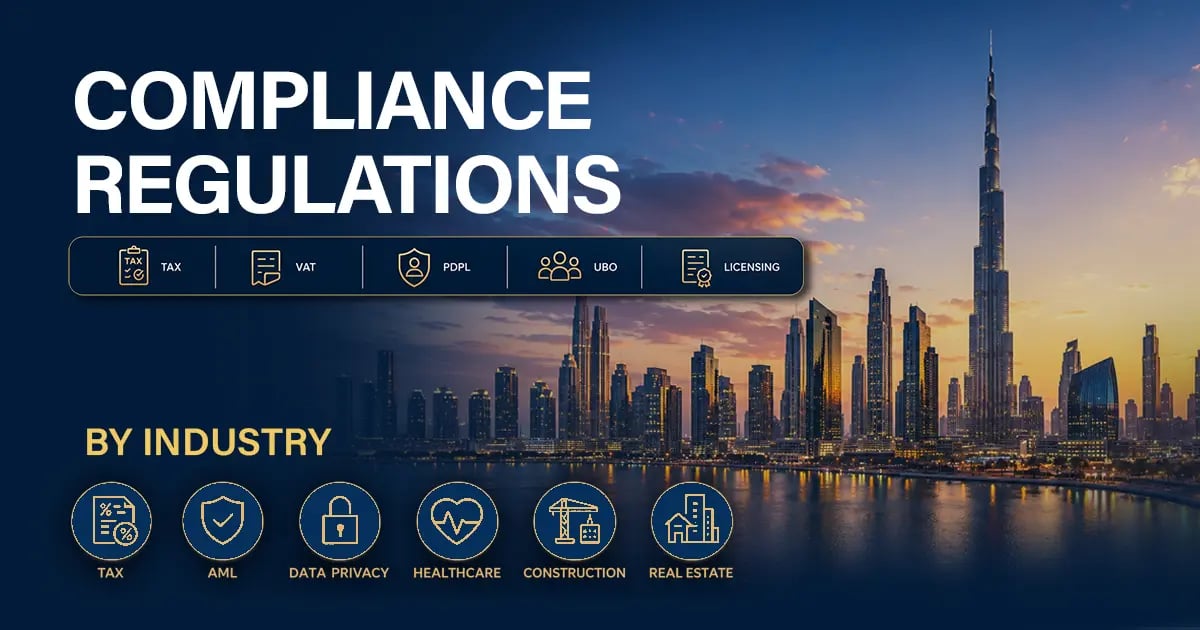
  •  Compliance with Regulations

    • Follow labor laws, tax rules, and DET requirements.
    • Maintain accurate records and contracts.
    • Stay updated with policy changes to avoid penalties.
  • Business Growth Planning

    • Hire skilled staff to support expansion.
    • Explore new activities or branches as your business grows.
    • Build strong relationships with local and international clients.

Contact Safe Ledger today for expert support on licensing, documentation, and regulatory requirements, ensuring a smooth start for your venture.

Local Sponsorship and Service Agent Guidance

Some Mainland business activities require a UAE national sponsor or a Local Service Agent (LSA). The sponsor acts as a liaison with government authorities. Choosing the right sponsor is critical to avoid disputes. 

Always formalize agreements in writing. Fees vary depending on the business activity, the scope of involvement, and the reputation of the sponsor or agent. Regularly review the terms and maintain open communication to protect your business interests.

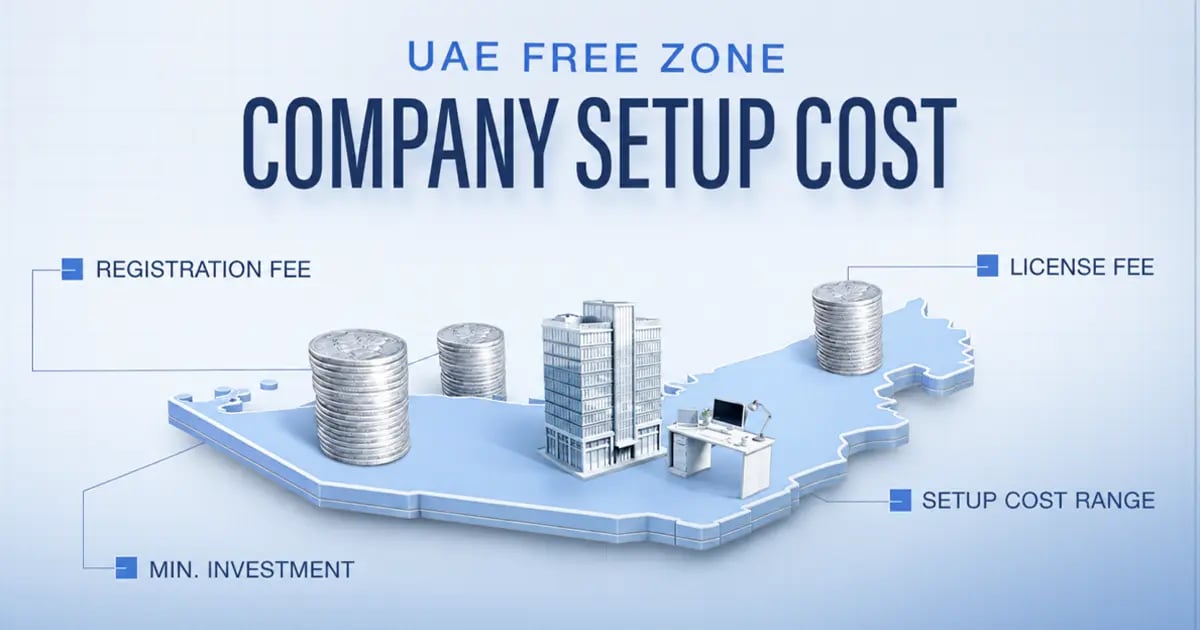
Costs of Setting Up a Mainland Business in Dubai

Establishing a business in the Dubai Mainland can be cost-effective, but expenses vary based on your business activity, legal structure, and specific requirements. Here’s a breakdown of typical costs to help you plan your budget.

ExpenseEstimated Cost (AED)Details
Trade License 10,000-25,000 Varies by business activity and legal structure
Initial Approval Fee 2,000-5,000 Charged by the Department of Economic Development (DED)
Office Rent 5,000-15,000/month Depends on location and size; Ejari registration required
Local Sponsor Fee 5,000-25,000 Applicable for certain business activities requiring a local partner
Visa Fees (Per Person) 2,500-3,500 Includes medical, Emirates ID, and stamping fees
Document Attestation & MOA 500-2,000 For notarizing and attesting the Memorandum of Association.
Bank Account Opening 500-1,500 Varies by bank; some banks may charge a fee for account setup

Notes:

  • Engaging consultants or legal advisors can add to costs but may speed up the setup process.
  • Certain business activities, like real estate or contracting, may require higher local sponsor fees.
  • Office rent varies significantly by location and size; consider shared or virtual office options to reduce expenses.
  • Visa and document fees may increase depending on the number of employees.
  • Some licenses may have activity-specific government fees not listed in the table.

Common Challenges and Tips

Starting a business in the Dubai Mainland offers great opportunities, but it also comes with challenges. Being aware of these issues can help entrepreneurs plan better, avoid delays, and reduce extra costs. Here are the most common challenges and practical tips to handle them effectively.

  • Finding a Local Sponsor: Some business activities in the Dubai Mainland require a UAE national as a sponsor. Choosing the right sponsor is crucial. Always formalize the agreement in writing to avoid future disputes.
  • Navigating Legal Requirements: Understanding the regulations set by the Department of Economic Development (DED) can be complex. Working with experienced business setup consultants ensures your company stays compliant with all laws.
  • Office Space Requirements: Dubai Mainland companies must have a physical office. Finding the right location and space can be costly. Consider cost-effective options like shared or virtual offices approved by the DED.
  • License Renewal and Compliance: Trade licenses need annual renewal. Missing renewal deadlines can result in fines or business closure. Keep track of renewal dates and maintain proper documentation to stay compliant.
  • Banking and Finance: Opening a corporate bank account in the Dubai Mainland can take time. Banks often require multiple documents. Prepare all paperwork in advance and choose banks familiar with Mainland companies to speed up the process.
  • Managing Costs: Setting up and running a Mainland business involves multiple expenses, including license fees, office rent, and sponsor fees. Plan a realistic budget and account for these costs to avoid surprises.
  • Understanding Business Activity Restrictions: Some business activities are restricted or require special government approvals. Confirm that your business activity is permitted and secure approvals in advance.
  • Recruitment and Labor Law Compliance: Hiring employees involves complying with labor laws, visas, and employment contracts. Familiarize yourself with UAE labor regulations or hire an HR consultant to manage compliance.
  • Cultural and Market Differences: Business culture and customer expectations in Dubai may differ from other regions. Research the local market, build strong relationships, and adapt strategies accordingly.
  • Managing Multiple Approvals: Certain licenses require approvals from multiple government departments. Keep a checklist of all required approvals and follow up regularly to avoid delays.
  • Intellectual Property Protection: Protecting your brand, trademarks, and patents is essential in a competitive market. Register your intellectual property with the UAE Ministry of Economy to prevent infringement.
  • Adapting to Economic Changes: Market conditions and regulations in Dubai can change frequently. Stay updated with economic and regulatory changes and adjust your business plans when needed.

Conclusion

Dubai Mainland continues to attract entrepreneurs with its open market, strong credibility, and growth potential. By understanding the setup process, planning for costs, and staying compliant with regulations, you can build a sustainable and profitable venture.

For anyone exploring how to start a business in Dubai, the Mainland offers unmatched flexibility and opportunities. With the right preparation and support, your business can thrive in one of the world’s most dynamic economies.

Frequently Asked Questions


Q-1. What is a Dubai Mainland company?

A Dubai Mainland company is a business registered under the Department of Economic Development (DED). It allows operations across the UAE and abroad. 

Such companies can trade directly in the local market and bid for government contracts. However, certain activities may require additional approvals, and some sectors impose ownership or licensing restrictions.

Q-2. How does Mainland differ from Free Zone companies?

Mainland companies operate under DET and enjoy full UAE market access, while Free Zone companies are limited to their zones or international markets unless they use distributors. Mainland businesses can open offices anywhere in Dubai, but Free Zone offices must remain in their designated area.  Each option suits different business needs.


Q-3. Is office space mandatory for a Mainland company?

Yes. Every Dubai Mainland company must have a physical office, registered with Ejari. The office size depends on the type of license and the number of visas required. 

Entrepreneurs can explore cost-effective options like shared or virtual offices that meet DET requirements, especially during the early stages of business setup.

Q-4. Can foreign investors fully own a Mainland company?

Yes. Since the 2021 reforms, 100% foreign ownership is allowed for most activities in the Dubai Mainland. However, some activities may still require a UAE national as a local sponsor or service agent. Investors should review their chosen activity with DET or consult business setup experts to confirm ownership requirements.

Q-5. How much does it cost to set up a Mainland business in Dubai?

The cost of setting up a Dubai Mainland business varies depending on activity, legal structure, and location. A trade license usually ranges from AED 10,000–25,000, while office rent starts at AED 5,000 per month. 

Other expenses include DET approval fees, sponsor charges, visa processing, and document attestation. Budgeting carefully helps avoid surprises.

Q-6. What are the visa requirements for Dubai Mainland businesses?

After obtaining a trade license, owners can apply for investor or partner visas. They can also apply for employee visas as the company grows. The number of visas issued often depends on office size and business activity. All visa applications must comply with UAE immigration and labor regulations.

Q-7. How often do trade licenses need renewal in the Dubai Mainland?

Trade licenses must be renewed every year. Failing to renew on time can lead to penalties, fines, or even suspension of operations. Along with license renewal, entrepreneurs should also ensure tenancy contracts, external approvals, and visas are updated to maintain compliance with DET and other government authorities.

Q-8. What challenges do entrepreneurs face when starting a Mainland business?

Key challenges include finding the right local sponsor for restricted activities, meeting office space requirements, and managing regulatory approvals. License renewals, visa processing, and corporate bank account setup can also take time. 

Working with experienced consultants helps simplify these challenges and ensures compliance with Dubai’s business regulations.

Q-9. Can a Mainland company bid for government projects?

Yes. One of the major advantages of a Dubai Mainland company is eligibility to bid for government contracts and tenders. This provides businesses with significant growth opportunities and enhances credibility. Free Zone companies, in contrast, cannot directly work with government entities unless they appoint a Mainland distributor.

Q-10. What documents are required for a Dubai Mainland business setup?

The common documents include: 

  • A trade name reservation certificate
  • Initial approval from DED
  • Memorandum of Association (MOA) or Local Service Agent (LSA) agreement
  • Tenancy contract registered with Ejari
  • Identity documents of shareholders

Additional approvals may be required depending on the business activity, such as education, healthcare, or finance.

Just Drop Your Info Below We’ll Get In Touch With You

Joel Dsouza

About the Author

Joel Dsouza

Joel Dsouza is a Chartered Accountant and compliance specialist with extensive experience advising over 1,000 startups and SMEs on company registration, tax structuring, and regulatory compliance. As a member of ICAI and Co-Founder of Safe Ledger, Joel combines his deep financial expertise with a global perspective to help entrepreneurs navigate complex business environments. Focused on the UAE market, he is dedicated to empowering international and local business owners with clear, practical guidance on company setup, tax optimization, and ongoing compliance making him a trusted advisor for businesses aiming to succeed in the dynamic UAE economy.

Related Posts

View All

Don't miss our daily updates

Stay updated with the latest news, tips, and exclusive offers. Subscribe to our newsletter!

WhatsApp Icon