safeledger logo

How to Start an Import Export Business in Dubai?

Reading Time

9 min read

How to Start an Import Export Business in Dubai?

If you’ve ever dreamed of reaching global markets far past a single city, starting an import export business in Dubai is one of the smartest moves in 2026. Dubai has transformed into a global trading powerhouse, with the UAE’s foreign trade hitting AED 5.23 trillion (~$1.42 trillion) in 2024, a 49% rise since 2021.

Strategically located at the crossroads of Asia, Africa, and Europe, Dubai serves as a global trading hub. It offers world-class ports like Jebel Ali and investor-friendly free zones. This strong ecosystem makes import-export ventures faster, easier, and highly profitable.

In this blog, we cover how to start and grow an import-export business in Dubai, including licenses, costs, and key tips.

Why You Should Start an Import-Export Business in Dubai in 2026?

Dubai has a long history of being a major trading center in the UAE. There are several reasons why it’s a good place to start an import-export business today:

  1. Business-Friendly Environment: The UAE government has created a welcoming environment for businesses by offering tax breaks, streamlined regulations, and free trade zones. There is a 0% corporate tax on income up to AED 375,000 and a modest 9% tax beyond that. 

Qualifying Free Zone companies may still enjoy a 0% corporate tax on eligible income, reducing overall tax costs compared to many countries.

  1. Geographical Advantage: Dubai’s location at the crossroads of Asia, Africa, and Europe makes it a natural trade hub, cutting shipping times and costs.
  2. Free Trade Agreements: The UAE’s Free Trade Agreements (FTAs) and Comprehensive Economic Partnership Agreements (CEPAs) allow tariff-free trade, boosting business profitability.
  3. Open Economy: The UAE has a very open economy with few restrictions on trade. This allows you to import and export a wide range of goods, such as consumer electronics, textiles, and industrial materials. It also helps you avoid lengthy approvals, excessive licensing layers, and complex quota restrictions, making trade faster and smoother.
  4. Government Support: The UAE government actively supports the import and export sector through initiatives and programs like the Dubai Exports Program and Emirates Trade Facilitation Initiative. This can include access to financing, market research assistance, and trade missions.
  5. Top-Notch Infrastructure: Dubai boasts world-class infrastructure, including one of the busiest airports in the world and the largest man-made harbor. This efficient infrastructure makes it easier and faster to move goods in and out of the country.

With its location, support, and logistics, Dubai is the perfect launchpad for your Dubai import export business.

Import-Export Business Setup Options in Dubai (Mainland vs Free Zone vs Offshore)

When starting a Dubai import export business, choosing the right type of company is crucial. The type of setup, Mainland, Free Zone, or Offshore, affects your operations, costs, and market access. 

Here’s a clear breakdown to help you pick the best option and explore import export business opportunities in Dubai.

1. Mainland Import-Export Business Setup in Dubai

A Mainland setup lets you trade anywhere, including the mainland and free zones. This makes the Mainland business setup in the UAE ideal for businesses wanting full access to the local market and flexibility in business activities.

Benefits:

  • Trade freely across the UAE.
  • Covers the widest range of business activities for Dubai import export.
  • 100% foreign ownership is allowed.

Drawbacks:

  • May require a local service agent, depending on your business activity.
  • Setup and operational costs are higher than in free zones.
  • Regulations are more complex than those of free zone business setup in Dubai.

A Mainland setup is the best import export business in Dubai if your primary market is within the UAE.

2. Free Zone Import-Export Business Setup

Free Zone companies are perfect for entrepreneurs targeting international markets with minimal involvement in the UAE mainland trade. They offer streamlined processes and tax benefits.

Benefits:

  • 100% foreign ownership with full profit repatriation.
  • Simple and fast business setup in Dubai.
  • Tax exemptions on corporate income and import/export duties in most zones.
  • Some free zones focus on specific industries, offering specialized facilities and support.

Drawbacks:

  • Restrictions may apply for trading outside the free zone.
  • Limited range of allowed DED business activities compared to the mainland.
  • Annual fees for maintaining the license.

Free Zones suit businesses exploring import export opportunities in Dubai with minimal mainland involvement and limited activities. Check out a detailed listing of DED business activities allowed in the UAE to get complete information.

3. Offshore Import-Export Business Setup

Offshore companies are meant only for international trade. They are cost-effective but cannot conduct any business or import-export operations within the UAE.  

Benefits:

  • Lowest setup and operational costs.
  • 100% foreign ownership with full repatriation of capital.
  • No office space required in Dubai.

Drawbacks:

  • Cannot trade within the UAE.
  • Limited use for Dubai import export businesses targeting local markets.

In short, an offshore setup works if your trade is fully international. If your main market is the UAE, a Mainland or Free Zone company is a better choice.

Documents Required to Apply for an Import-Export Trade License in Dubai

To start an import-export business in Dubai, you need to apply for a trade license and complete the registration process. The documents required can vary depending on whether you choose a Mainland or Free Zone setup.

Here are the general requirements for an import license in Dubai:

  • Completed the application form for the trade license.
  • Trade name options for your company.
  • Details of your business activities.
  • Passport copies of all shareholders.
  • Passport-size photographs of all shareholders.
  • Tenancy contract for your office space in Dubai.
  • Bank reference letter.

Having all these documents ready ensures a smooth application process. With the right preparation, your Dubai import-export license can be approved quickly.

Unlock your global trade potential with SafeLedger, your smart, stress-free path to starting a Dubai import-export business!

How to Start an Import-Export Business in Dubai?

Starting an import-export business in Dubai can be highly profitable if you follow the right steps. Dubai’s location, modern infrastructure, and rising demand create many import-export opportunities. 

Here’s a step-by-step guide to set up your business and manage import and export procedures in the UAE efficiently:

Step 1: Choose a Business Model

Decide whether to set up your business in a Mainland, Free Zone, or Offshore (Free Shore) structure. Your choice affects ownership, market access, and costs.

Mainland benefits:

  • Trade freely across the UAE.
  • Covers the widest range of business activities for import-export.
  • 100% foreign ownership allowed.

Free Zone benefits:

  • 100% foreign ownership with full profit repatriation.
  • Tax exemptions on corporate income and import/export duties.
  • Streamlined setup process and specialized facilities for certain industries.

Offshore/Free Shore benefits:

  • Lowest setup and operational costs.
  • 100% foreign ownership and full capital repatriation.
  • No physical office required in Dubai.

Choose Mainland if your focus is on the UAE market. Free Zones work for international trade with some UAE involvement. Offshore/Free Shore is ideal for purely international trading.

Step 2: Finalize Your Business Name

Pick a unique and meaningful name that reflects your business.

  • Ensure it complies with Dubai naming regulations.
  • Avoid names already registered or too generic.
  • Free Zones and Offshore setups may have specific naming rules.

A strong business name helps build credibility in global trade.

Step 3: Register Your Business in Dubai

Register with the appropriate authority as per your chosen business structure. Set up your business in Dubai presents the following structures:

Mainland Businesses:

  • Register with the Department of Economic Development (DED).
  • Submit the trade name approval and required documents.

Free Zone Companies:

  • Register with the relevant free zone authority.
  • Follow their specific approval process for licensing.

Offshore/Free Shore Entities:

  • Register with a recognized offshore authority.
  • Setup is faster and often doesn’t require a local office.

Registration ensures your business is legally recognized in the UAE.

Step 4: Obtain an Import-Export License

Apply for a trade license to legally import and export goods.

  • Issued by the Department of Economic Trade (DET) for Mainland companies or the relevant Free Zone Authority for Free Zone setups. the
  • Define the business activities you are allowed to conduct.
  • Required before starting any trading operations.

A valid trade license is essential to explore import export business opportunities in Dubai.

Step 5: Register with Dubai Customs

Registration with Dubai Customs is mandatory for all import-export operations.

  • Obtain your Dubai Customs Importer Code (also called Customs Code).
  • Submit your trade license and company documents.
  • Ensure compliance with import and export procedures in the UAE.

This step allows your goods to move in and out of Dubai legally and smoothly.

Step 6: Open a Corporate Bank Account

A corporate account is essential for business transactions.

  • Provide trade license, passport copies, and proof of business address.
  • Handles payments for imports, exports, and operational expenses.

Open a bank account to ensure smooth financial operations for your business.

Step 7: Obtain Visas

Ensure to apply for visa services for yourself, partners, and employees depending on your business setup.

  • Owner and partner visas.
  • Employee visas as per workforce requirements.
  • Comply with UAE labor regulations.

Visas allow you and your team to operate legally in Dubai.

Step 8: Logistics and Shipping Arrangements

Efficient logistics are key to a successful import-export business.

  • Partner with reliable freight forwarding companies.
  • Hire customs clearance agents for smooth import-export operations.
  • Keep accurate records of invoices, shipping documents, and customs paperwork.
  • Stay updated on changes in trade regulations and policies.

Good logistics ensure timely delivery and customer satisfaction.

By following UAE import and export rules and choosing the right partners, your business can grow smoothly in local and global markets.

Ready to make your Dubai import-export business a reality? Let SafeLedger simplify the process, fast, secure, and stress-free. Contact us today!

Import-Export License Cost in Dubai (2026 Updated Prices)

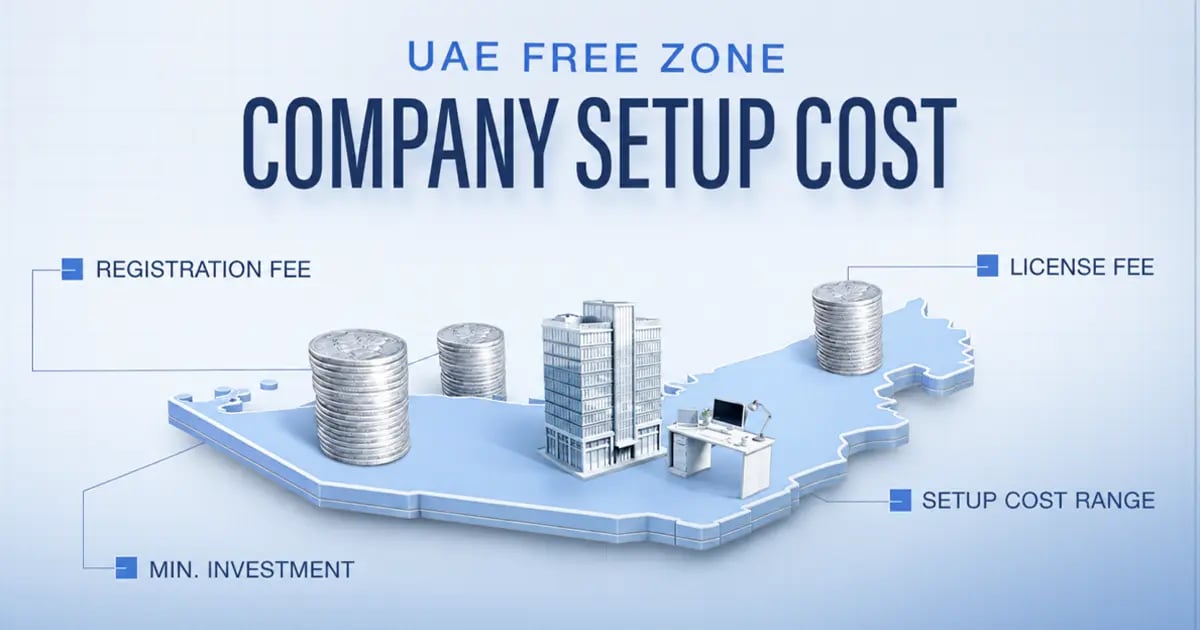
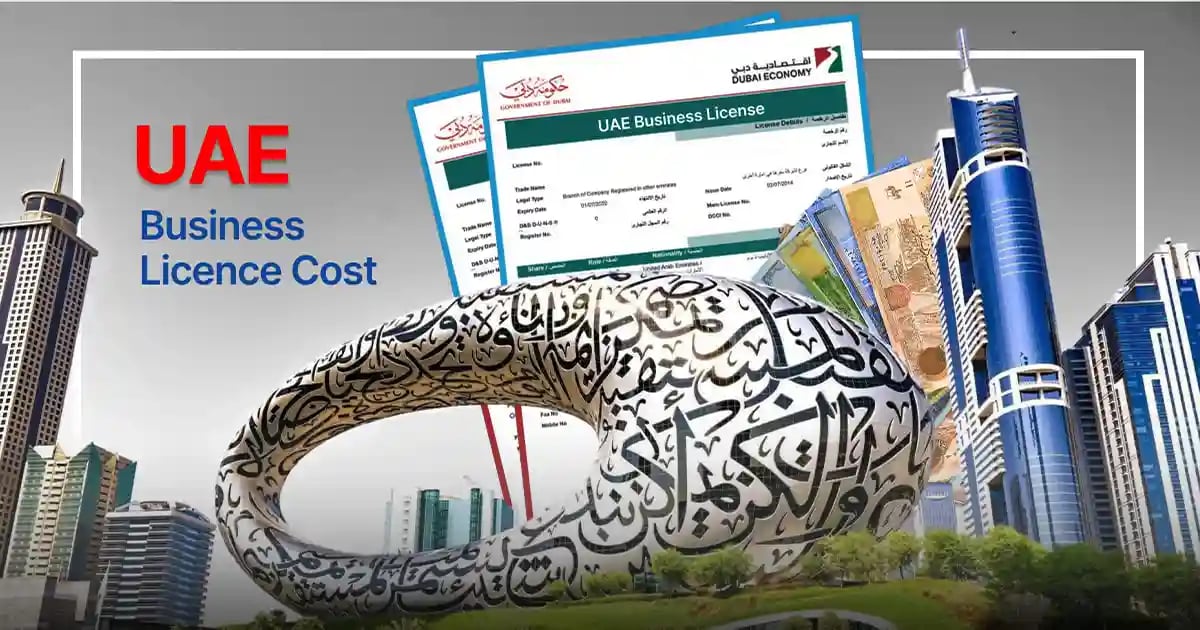
The cost of an import-export license in Dubai typically ranges from AED 13,500 to AED 28,500. The final price depends on your setup, number of visas, and other factors. Here’s a clear breakdown to help you plan your budget for a Dubai import export business.

The cost of an import-export license changes depending on whether you set up on the Mainland, in a Free Zone, or Offshore.

  • Mainland: AED 20,000 – AED 28,500
  • Free Zone: AED 13,500 – AED 22,000
  • Offshore AED 13,500 – AED 18,500

Additional Costs to Consider

Besides the license fee, several other costs can add up. Planning for these ensures a smooth business setup.

  • Initial approval fees
  • Trade name reservation
  • Local sponsor (for Mainland companies, if required)
  • Office space rent
  • Ejari registration
  • Import-Export Code issuance
  • Bank account opening fees

Knowing the costs upfront helps you make informed decisions. Proper budgeting ensures your import-export business in Dubai starts smoothly without unexpected expenses.

Start Your Import-Export Business in Dubai with SafeLedger

Starting an import-export business in Dubai is a huge opportunity. The city’s strategic location, growing trade, and business-friendly rules make it ideal for global entrepreneurs.

At SafeLedger, we make the process simple. We help you choose the right business model, register your company, get licenses, handle paperwork, open bank accounts, arrange office space, and assist with visas.

Our goal is to make your setup smooth and hassle-free. Focus on growing your business while we take care of the details. Get started with SafeLedger today and launch your Dubai import-export venture with confidence!

Frequently Asked Questions


1. What is the first step to start an import‑export business in Dubai?

The first step is deciding your business structure: Mainland, Free Zone, or Offshore (Free Shore). This determines ownership, market access, and costs. Free Zones offer full foreign ownership and tax perks, Mainland lets you trade locally, and Offshore suits international trade. After deciding, reserve a business name and apply for the trade license.

2. How do I register for an import, export license in Dubai?

Submit your application to the relevant authority: Department of Economic Development for Mainland or Free Zone Authority. Provide company details, trade name, business activities, and required documents. Once approved, you receive a trade license that legally allows your company to import and export goods from Dubai.

3. What are import and export procedures in UAE customs?

After obtaining your license, register with Dubai Customs and get an Import‑Export Code. Submit customs declarations through the Dubai Trade Portal with invoices, packing lists, and certificates of origin. Customs inspects and clears goods based on UAE regulations, allowing legal movement of goods in and out of Dubai.

4. How much does a Dubai import‑export license cost?

Costs vary by business model. Mainland licenses cost AED 15,000–30,000, Free Zone licenses AED 10,000–25,000, and Offshore licenses are cheaper. Additional expenses include office rent, customs registration, and visas. The total initial investment typically ranges from AED 20,000–50,000 depending on your setup and business requirements.

5. Do I need a physical office to get an import‑export license?

Most setups require a physical office. Mainland companies need a leased office with Ejari registration. Some Free Zones allow virtual offices or flexi‑desks, which are cheaper than full leases. Offshore setups do not require a Dubai office. Providing proof of workspace ensures your license application is approved smoothly.

6. How long does it take to get an import‑export license in Dubai?

The timeline varies by setup. Free Zone licenses can take 7–14 business days if all documents are complete. Mainland registration may take 2–4 weeks due to additional approvals. Customs registration for your Import‑Export Code usually takes 3–5 business days after the license is issued.

7. Can I import any product into Dubai?

You can import many items, but some products require special approvals. Food, cosmetics, chemicals, and electronics may need permits from authorities like Dubai Municipality or the Ministry of Health. Always check compliance requirements to avoid shipment delays, fines, or confiscation.

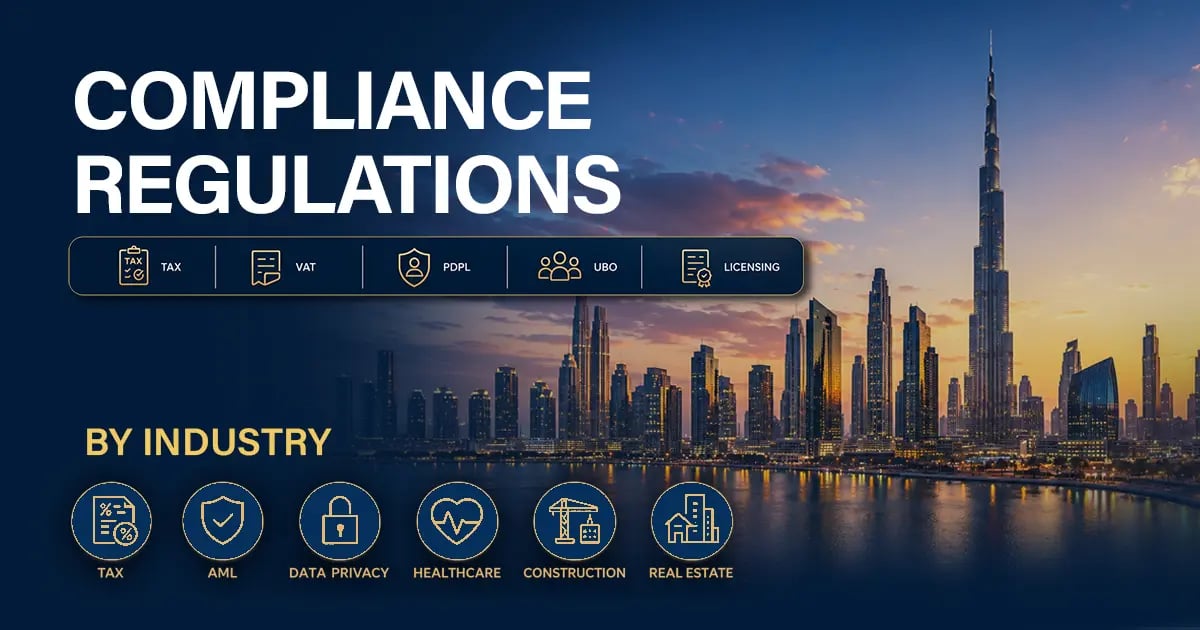
8. What compliance requirements must I meet for import/export?

You must comply with UAE customs regulations, maintain trade documentation, and register products if required. Correct HS code classification is mandatory. Non-compliance can lead to fines or shipment delays. Staying updated on UAE import and export procedures ensures smooth operations for your Dubai business.

9. Do I have to pay customs duty in Dubai?

Yes, most goods imported into the UAE mainland have a 5% customs duty on the CIF (Cost, Insurance, Freight) value. Free Zones may offer exemptions for goods that stay in the zone or are re-exported. Check specific duty rates for your product category before importing.

10. Can a foreigner fully own an import‑export business in Dubai?

Yes, foreigners can fully own companies in Free Zones and Offshore setups. Mainland companies now allow 100% foreign ownership for many business types, though some activities may still require a local service agent. Ownership depends on your chosen jurisdiction and business activity.

11. Is an import-export license mandatory in Dubai?

Yes, any company legally trading goods in or out of Dubai must hold a valid import-export license. Operating without one is illegal and can result in fines or business closure. The license ensures compliance with customs regulations and allows smooth trade operations across UAE borders.

12. Can a Free Zone company trade in the UAE mainland?

No, Free Zone companies cannot directly trade in the UAE mainland without a local distributor or partner. They are primarily designed for international trade or intra-Free Zone business. If your business aims to sell products locally, a Mainland company setup is recommended.

13. Is Dubai Customs registration compulsory?

Yes, registration with Dubai Customs is mandatory for all import-export businesses. It provides an Import-Export Code (IEC), enabling legal clearance of goods. Customs registration ensures compliance with UAE trade laws and smooth movement of products in and out of Dubai.

Just Drop Your Info Below We’ll Get In Touch With You

Joel Dsouza

About the Author

Joel Dsouza

Joel Dsouza is a Chartered Accountant and compliance specialist with extensive experience advising over 1,000 startups and SMEs on company registration, tax structuring, and regulatory compliance. As a member of ICAI and Co-Founder of Safe Ledger, Joel combines his deep financial expertise with a global perspective to help entrepreneurs navigate complex business environments. Focused on the UAE market, he is dedicated to empowering international and local business owners with clear, practical guidance on company setup, tax optimization, and ongoing compliance making him a trusted advisor for businesses aiming to succeed in the dynamic UAE economy.

Related Posts

View All

Don't miss our daily updates

Stay updated with the latest news, tips, and exclusive offers. Subscribe to our newsletter!

WhatsApp Icon