safeledger logo
Business Setup

Special Purpose Vehicle (SPV) in UAE: Meaning, Benefits, Setup Process, and Costs (2026)

Reading Time7 min read
Special Purpose Vehicle (SPV) in UAE: Meaning, Benefits, Setup Process, and Costs (2026)
Table of Contents

A Special Purpose Vehicle works as an independent legal entity that protects assets from unrelated business liabilities. Investors in the UAE use SPVs for asset protection, ownership succession, tax-efficient arrangements, and cross-border investment structuring.

UAE financial free zones such as ADGM and DIFC continue to strengthen their regulatory frameworks to support structured investment vehicles. ADGM in Abu Dhabi recorded a 36% surge in assets under management, along with more than 12,000 active licenses in 2025. Dubai’s DIFC also recorded strong growth in SPV registrations during early 2025, driven by family offices, asset managers, and institutional investors.

This guide explains SPV’s meaning, types of structures, setup process, costs, benefits, and limitations in a clear and structured manner.

What is a Special Purpose Vehicle (SPV) in UAE?

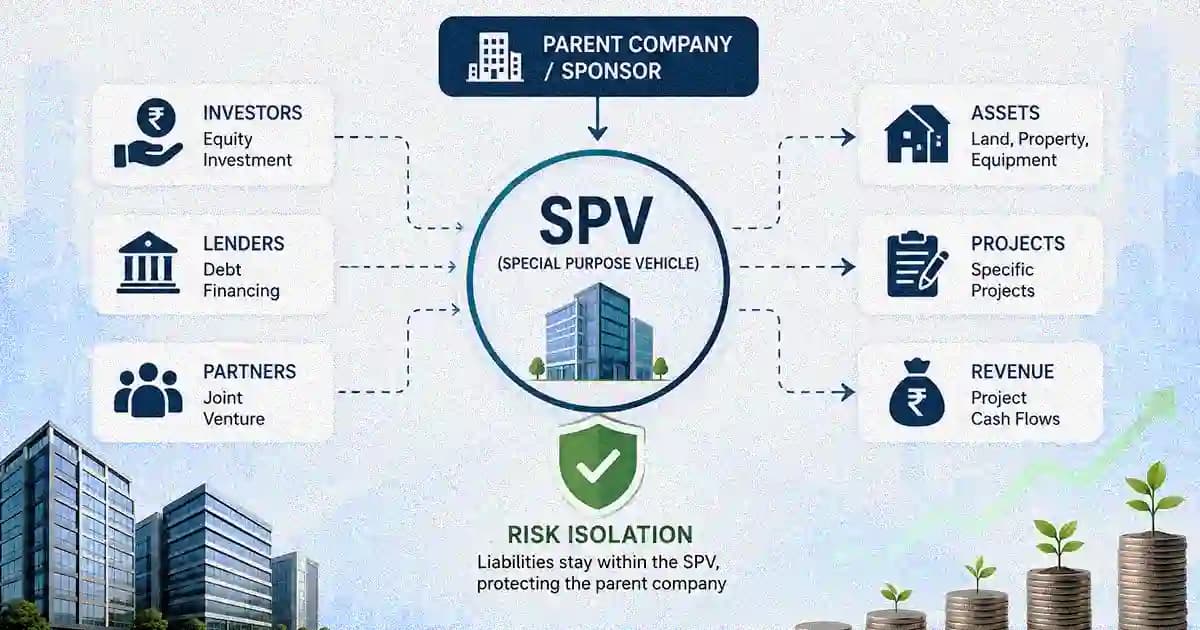
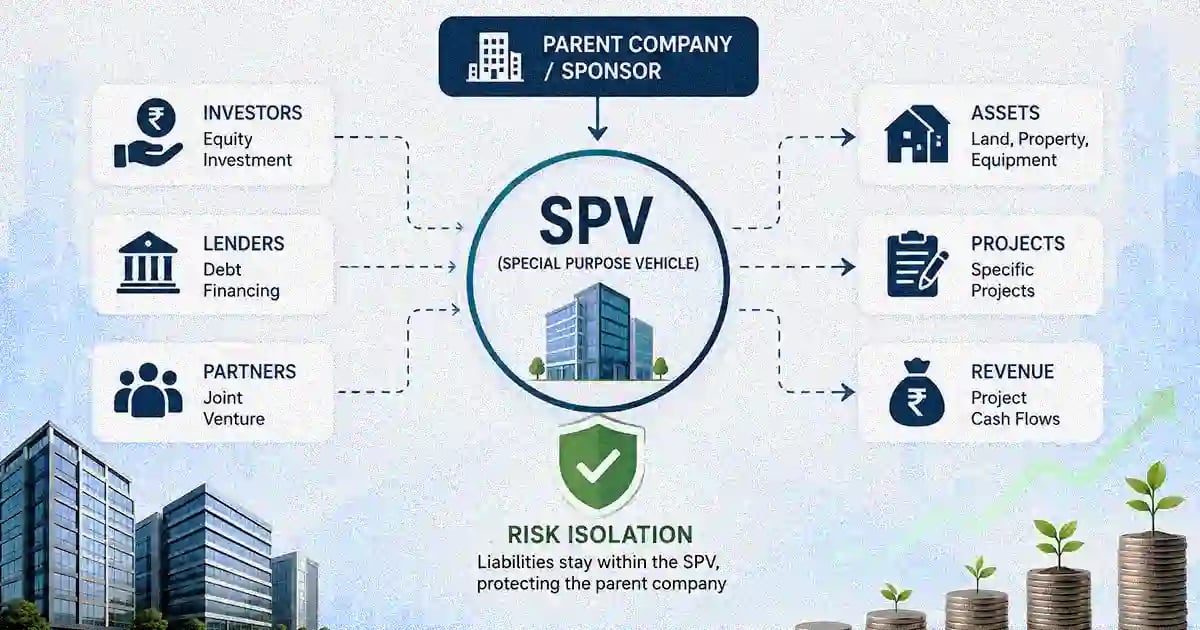
A Special Purpose Vehicle is a separate legal entity created for one specific and defined purpose. The SPV is often called bankruptcy-remote” because its assets are protected even if the parent entity faces insolvency. It has its own assets, liabilities, and legal identity, entirely independent from the person or organization that created it.

Some of the Key Characteristics of an SPV:

  • Risk isolation because assets inside the SPV remain protected from external claims and unrelated liabilities.
  • Passive holding structure because the SPV holds assets without conducting operational business activities.
  • Limited liability protection because investors remain liable only for their contribution within the SPV structure.
  • Defined purpose because every SPV exists for one identified investment or commercial objective.

Key Benefits of Using SPVs in the UAE

The UAE’s SPV framework attracts investors globally for asset protection, tax planning, and efficient business setup:

a. Asset Protection

The primary reason investors use SPVs is to ring-fence specific assets from general business risk. A real estate investor who holds, say, 5 properties across 5 separate SPVs ensures that a legal dispute on one property does not expose the others. This risk-separation benefit is the single most cited reason investors choose the SPV structure in the UAE.

b. Tax Efficiency and Double Tax Treaties

The UAE offers an attractive tax environment for investors establishing compliant SPV holding structures within financial free zones. The country maintains over 130 double taxation treaties supporting international investment and cross-border financial planning strategies.

c. Real Estate Holding and Exit Planning

Holding UAE property through an SPV simplifies ownership transfer significantly. Instead of transferring the property directly, which triggers transfer fees, the investor can sell the SPV itself. The buyer acquires the SPV, which already contains the property. This approach can reduce transaction costs and is widely used by institutional real estate investors and family offices in Dubai and Abu Dhabi.

d. Succession and Wealth Planning

High-net-worth individuals and family offices use SPVs to consolidate assets for seamless inheritance planning. The SPV’s flexible shareholding structure allows heirs to receive assets through share transfers instead of direct inheritance.

e. Joint Ventures and Investment Structuring

When two or more investors work together on a project, they use an SPV to hold the joint venture assets in a separate legal structure. This structure protects each investor because it separates their liabilities from those of other partners.

Private equity firms also use SPVs to structure deals with multiple co-investors. Each investor holds shares in the SPV instead of directly owning the underlying asset, which ensures clear ownership and better risk separation.

f. Privacy and Governance

SPVs provide structured ownership arrangements that support private investment management and regulated asset holding. Although beneficial ownership information must be disclosed to regulators and banks, SPVs still provide a structured ownership framework that offers greater privacy than holding assets directly in an individual’s name.

Many international investors prefer UAE SPVs because the financial free zones maintain clear regulatory and compliance systems.

Types of Special Purpose Vehicles in UAE

The UAE supports several types of Special Purpose Vehicles, each suited to a different investment or structuring purpose:

SPV TypePrimary PurposeCommon Use in UAE
Holding SPV Holds shares in other entities or investments Family offices holding shares in mainland or free zone businesses
Real Estate SPV Holds a single property or a property portfolio Property investors segregating individual assets to limit liability
Joint Venture SPV Created by two or more parties for a shared project Infrastructure or development projects with multiple investors
Investment SPV Pools capital from multiple investors into one deal Venture capital and private equity co-investment structures
IP Holding SPV Holds patents, trademarks, and copyrights Technology businesses separating intellectual property from operations
Securitisation SPV Purchases assets and issues debt securities on them Banks and financial institutions securitising loan portfolios

The right type depends on what the SPV needs to hold and the desired legal jurisdiction.

How to Set Up an SPV in the UAE: Step-by-Step Process

Setting up a special purpose vehicle in the UAE follows a fully digital process, primarily through ADGM or DIFC. Below are the steps involved in the setup process:

Step 1: Select the jurisdiction: Choose between ADGM (for UAE and GCC asset holding) or DIFC (for financial services and structured finance) based on the assets and purpose. RAK ICC is a cost-effective offshore alternative for simpler structures.

Step 2: Appoint a Company Service Provider: All non-exempt ADGM SPVs must appoint a licensed Company Service Provider (CSP) as the registered agent and office address. This is a mandatory requirement since 12 July 2021.

Step 3: Prepare documentation: Submit passport copies, proof of address, shareholding details, proposed company name, and source-of-funds documentation carefully.

Step 4: Submit online application: The ADGM Registration Authority (adgm.com) and the DIFC Registrar of Companies (portal.difc.ae) both operate fully digital portals. The CSP (Company Service Provider) submits the application on behalf of the SPV applicant.

Step 5: Receive license and Certificate of Incorporation: The authority issues the license and incorporation documents electronically after approval. The process does not require any physical presence in the UAE.

The standard timeline from complete documentation to license issuance is 5 to 10 working days.

SPV vs Holding Company: Key Differences

The following table explains the major differences between a special purpose vehicle and a holding company structure:

FeatureSPV (Special Purpose Vehicle)Holding Company
Purpose Created for one specific asset or project Owns and manages multiple subsidiaries
Risk Isolation Very high because liabilities remain ring-fenced Moderate because group exposure may exist
Operational Activity Not permitted because SPVs remain passive structures Possible, depending upon corporate structure
Typical Use Investment, real estate, IP, and joint ventures Group ownership and diversified asset management
Regulatory Complexity Generally simpler because the scope remains limited More complex because multiple entities require management
Tax Structure Designed for specific asset tax efficiency Group-level tax planning across subsidiaries

Cost of SPV Setup in UAE (2026)

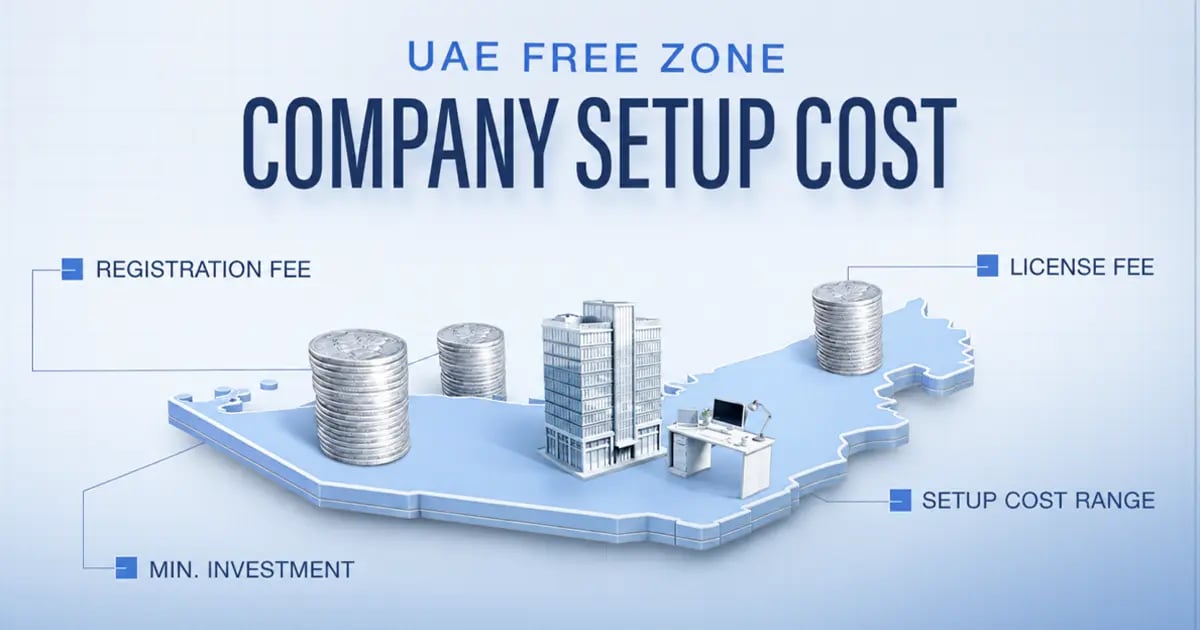
The approximate cost of setting up an SPV in the UAE generally ranges between AED 5,500 and AED 40,000. The following table provides a detailed cost breakdown:

Cost ComponentADGM SPVDIFC Prescribed CompanyRAK ICC Offshore
Application or Registration Fee AED 1,100 to AED 2,950 AED 370 AED 740 to AED 1,850
Annual License Fee AED 3,700 to AED 7,400 AED 3,700 AED 1,850 to AED 3,700
CSP or Registered Agent Fee AED 5,000 to AED 15,000 yearly AED 5,000 to AED 12,000 yearly AED 1,850 to AED 7,400 yearly
Annual Audit Fee AED 5,000 to AED 15,000+ AED 5,000 to AED 15,000+ Optional for offshore
Physical Office Requirement No No No

Limitations and Risks of SPVs in UAE

The following limitations and risks can affect investors before and after setting up an SPV in the UAE:

a. Limited Business Activities

UAE SPVs cannot conduct regular trading, manufacturing, or service-related commercial activities under most regulatory frameworks. Investors often establish separate operational companies when active business functions become necessary for long-term expansion plans.

b. Strict Banking Compliance

Banks apply detailed compliance procedures before approving UAE SPV corporate accounts for domestic and international financial transactions. Financial institutions regularly request shareholder records, source-of-funds evidence, and beneficial ownership documentation during onboarding reviews.

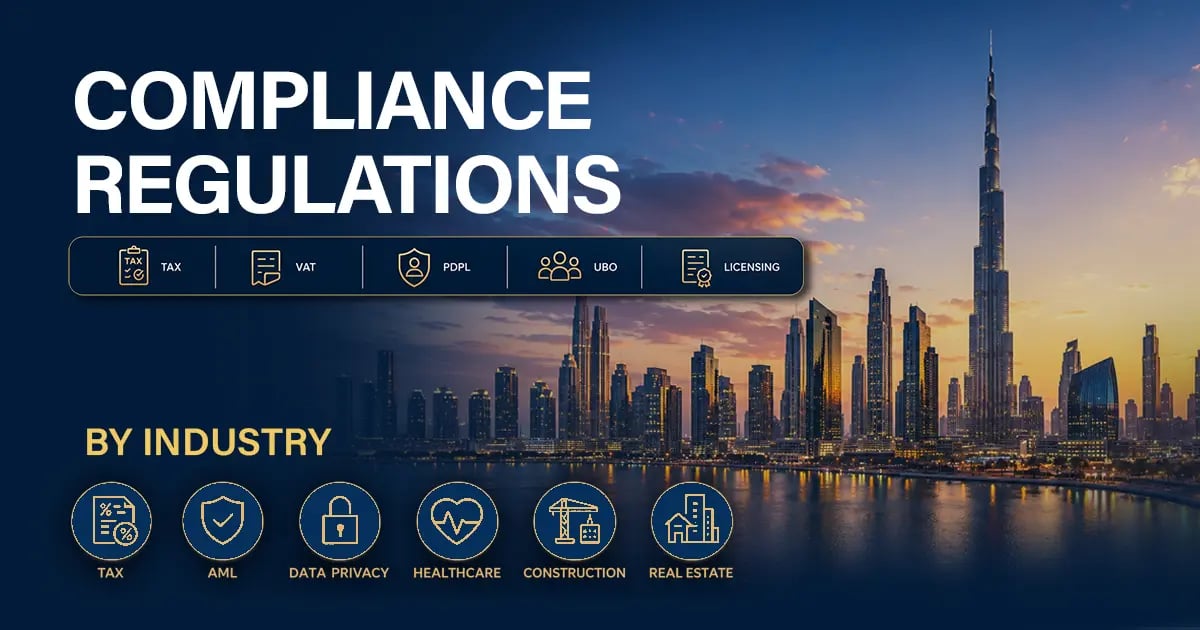
c. Ongoing Regulatory Obligations

UAE SPVs require continuous compliance through annual license renewals, statutory filings, and accurate corporate record maintenance procedures. Failure to maintain proper compliance may result in penalties, license suspension, or restrictions on investment-related activities.

d. Tax Structuring Risks

Tax efficiency benefits depend heavily on proper legal structuring, treaty eligibility, and international regulatory compliance requirements globally. Incorrect SPV structuring may increase foreign tax exposure or reduce access to applicable treaty-related investment benefits.

e. Limited Operational Flexibility

SPVs offer limited operational flexibility because regulators permit only predefined activities during incorporation and licensing approval procedures initially. Investors planning future expansion often require additional legal entities, increasing administrative complexity and compliance responsibilities.

If you want to set up an SPV in the UAE with proper structuring and compliance support, SafeLedger can assist you throughout the entire process. We can help you choose the right jurisdiction, prepare documents, complete registration, and manage compliance requirements.

Contact us today for professional assistance in setting up your SPV in the UAE.

Frequently Asked Questions

A Special Purpose Vehicle in the UAE is a separate legal entity created for one specific investment purpose. It separates assets and liabilities from the parent company and provides strong risk protection and financial separation. Investors use SPVs for real estate, funds, intellectual property, and cross-border investments to manage transactions more efficiently across different countries.

An ADGM special purpose vehicle is a corporate entity registered in Abu Dhabi Global Market under common law. It supports asset holding, investment structuring, and wealth planning with flexible ownership and digital incorporation processes. Investors prefer ADGM SPVs for tax efficiency, confidentiality, and simplified regulatory compliance requirements that are increasingly used.

A free zone company can set up an SPV in the UAE by registering it separately in ADGM or DIFC. The SPV remains a distinct legal entity and does not mix operational activities with the parent company structure. This structure helps investors manage risk, ownership, and investment efficiency across multiple assets effectively in the UAE.

The main types of special purpose vehicles in the UAE include ADGM SPVs, DIFC Prescribed Companies, and RAK ICC offshore structures. Each structure serves different investor needs, such as asset holding, investment planning, and cross-border structuring strategies. Investors choose based on cost, regulatory framework, and operational flexibility requirements across jurisdictions in the UAE.

SPVs in the UAE follow corporate tax rules based on their activity, structure, and jurisdiction. Passive holding SPVs may qualify for free zone tax benefits if they meet all compliance requirements. If investors structure SPVs incorrectly, they may face higher foreign taxes and lose access to tax treaty benefits.

Yes, an SPV can own UAE real estate and allow share transfer instead of property transfer. This structure often reduces Dubai Land Department transfer costs and simplifies ownership changes significantly for investors. Family offices and institutional investors widely use SPVs for efficient real estate exit planning strategies.

UAE banks require detailed KYC and source of funds verification before opening SPV corporate accounts. They assess beneficial ownership, transaction purpose, and regulatory compliance before approving banking relationships carefully reviewed. This strict process ensures transparency and reduces financial risk across international investment structures.

Most ADGM SPVs require a Company Service Provider to act as the registered agent and compliance manager. The CSP maintains corporate records, handles filings, and ensures regulatory compliance throughout the SPV lifecycle. It is mandatory in ADGM to ensure that transparency and proper governance standards are consistently applied for investors.

An SPV is created for a single asset or project, while a holding company manages multiple subsidiaries. SPVs provide higher risk isolation, whereas holding companies offer broader operational and investment control structures. Investors use SPVs for focused asset protection, but holding companies suit diversified corporate groups globally.

UAE SPVs must complete annual license renewals, statutory filings, and maintain accurate corporate records consistently. Failure to comply may result in penalties, suspension, or restrictions on investment activities within the UAE. Proper compliance ensures smooth operations, banking access, and long-term regulatory stability for investors across structures.

WhatsApp Icon