safeledger logo

How to Obtain an Industrial License in Dubai: Process, Costs, and Key Requirements

Reading Time

8 min read

How to Obtain an Industrial License in Dubai: Process, Costs, and Key Requirements

Looking to start your manufacturing business in Dubai? Acquiring an industrial license in Dubai is your first step. This license is crucial for legal operations and compliance with local laws. But what exactly is an industrial license, and why is it so important?

Whether you’re applying for a manufacturing license in Dubai or another industrial setup, understanding the process is key. From fulfilling requirements to dealing with the industrial license cost in Dubai, every detail matters. The industrial license in Dubai gives your business credibility and helps you operate freely across the region.

What is an Industrial License in Dubai and its Types?

An industrial license in Dubai is a mandatory legal requirement for businesses involved in manufacturing, processing, or assembling products. The Dubai Department of Economy & Tourism (DET) issues this license for mainland businesses. Free Zones have their own authorities to issue this license. This license allows companies to operate in sectors like food production, textile manufacturing, and machinery assembly. 

The Industrial license is essential for businesses that handle raw materials and convert them into finished goods. Without it, businesses cannot legally conduct industrial activities in Dubai, making it a vital step for anyone entering the manufacturing sector.

Types of Industrial Licenses in Dubai

Dubai offers three types of industrial licenses based on the nature and size of the business activity:

  • Light Industrial License: This license is for small businesses such as auto garages, workshops, or small warehouses under 2000 sq ft. It is ideal for businesses with low health and safety risks.
  • Medium Industrial License: This is suitable for larger facilities like manufacturing units or factories above 2000 sq ft. It covers businesses with moderate risks.
  • Heavy Industrial License: This applies to businesses in sectors with high environmental or health risks, like chemical manufacturing, recycling plants, or weapons production. These businesses face stricter regulations.

Obtaining the right industrial trade license in Dubai ensures legal compliance and smooth operations for your manufacturing business.

Step-by-Step Process to Acquire an Industrial License in Dubai, UAE

Here’s a structured and detailed process for acquiring your industrial, aka manufacturing license in Dubai:

Step 1: Preliminary Planning & Feasibility

Start by deciding on the business activity you plan to pursue. Prepare a detailed business plan outlining the goals, strategies, and expected financial projections. Ensure you have the capital, typically AED 250,000, especially for mainland businesses.

Step 2: Choose the Legal Structure & Location

You need to decide on your business structure, such as a Limited Liability Company formation or a branch of a foreign company. Your business activity and location (mainland or Free Zone) should align with Dubai’s regulations. Choose an industrial zone that fits your business needs, such as Jebel Ali Free Zone, Dubai Industrial City, or Dubai South.

Step 3: Trade Name Reservation & Initial Approval

Reserve a trade name that clearly reflects your industrial activity. Ensure it aligns with Dubai’s naming guidelines, which prohibit offensive language, abbreviations, and religious references. After selecting the name, submit your initial application to the DET or the relevant Free Zone authority for approval. 

Once approved, the name will be officially reserved for your business.

Step 4: Secure Industrial Premises

Lease suitable industrial premises, such as a warehouse or factory, in an approved industrial area. Ensure the property complies with zoning rules and regulations in Dubai. Register the lease with Ejari for tenancy authentication.

Step 5: Obtain No-Objection Certificates (NOCs)

You must obtain several external approvals before proceeding. These include an NOC from DET and approval from Dubai Municipality for health and safety. Depending on your activity, you may also need approvals from Civil Defense and the Ministry of Industry. These documents are necessary to legally set up your industrial facility.

Step 6: Submit Documents

Prepare the necessary documents to proceed with the submission. These documents include:

  • Copy of passport and residence for non-citizens
  • Summary of registration for citizens
  • Feasibility study
  • Partnership contract (if applicable)
  • Copy of the trade license
  • Ministry of Health approval
  • Ministry of Environment and Water approval

Ensure that all documents are complete and meet the requirements.

Step 7: Review, Inspection & Final Approval

Once you’ve submitted your documents, the DET will review your application. Inspectors will conduct on-site checks to ensure the facility meets safety, health, and environmental standards. If everything is in order, you’ll receive final approval.

Step 8: Receive Your Industrial License

After the review and inspection, the DET will issue your Industrial Trade License. This will allow you to legally operate within Dubai’s industrial sector. Ensure that you understand the industrial license cost in Dubai and renewal requirements, as the license is valid for a set period, typically one year.

By following these steps, you will successfully obtain an industrial license and be ready to operate in Dubai.

To ensure a smooth and efficient start to your business in Dubai, understanding the trade license process is essential. This process is required to legally operate any business in Dubai, ensuring compliance with local regulations. Learn all the necessary steps and requirements in our detailed blog: How to Get a Trade License in Dubai.

At SafeLedger, we help you complete the registration process and avoid unnecessary delays.

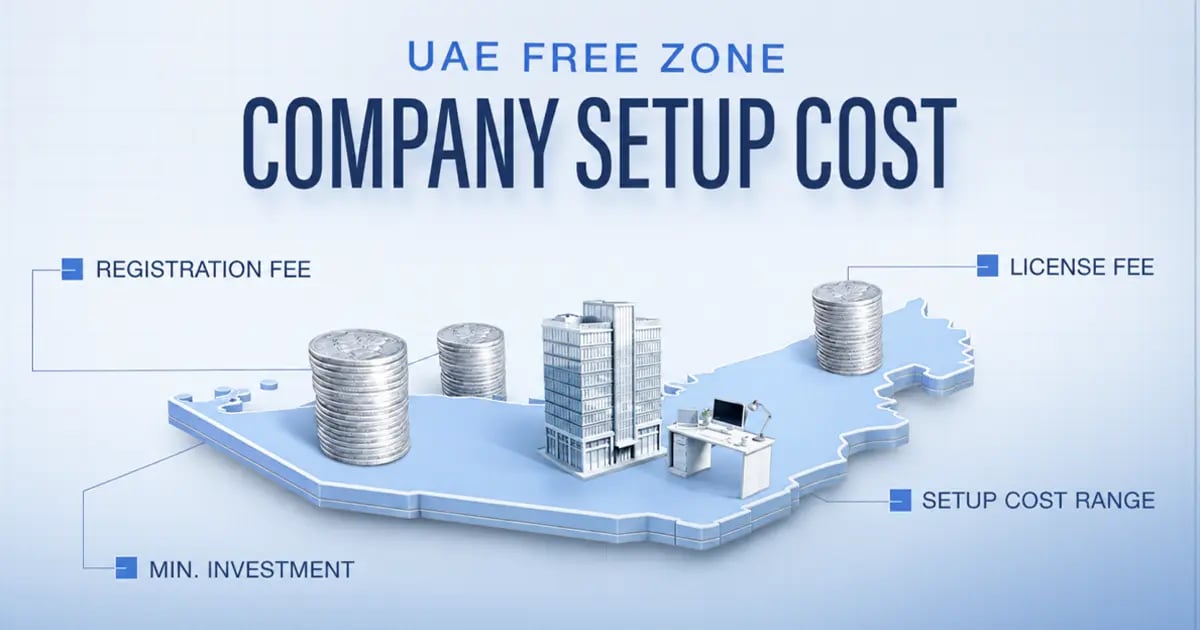
Industrial License Costs in Dubai: Mainland Vs Free Zone Breakdown

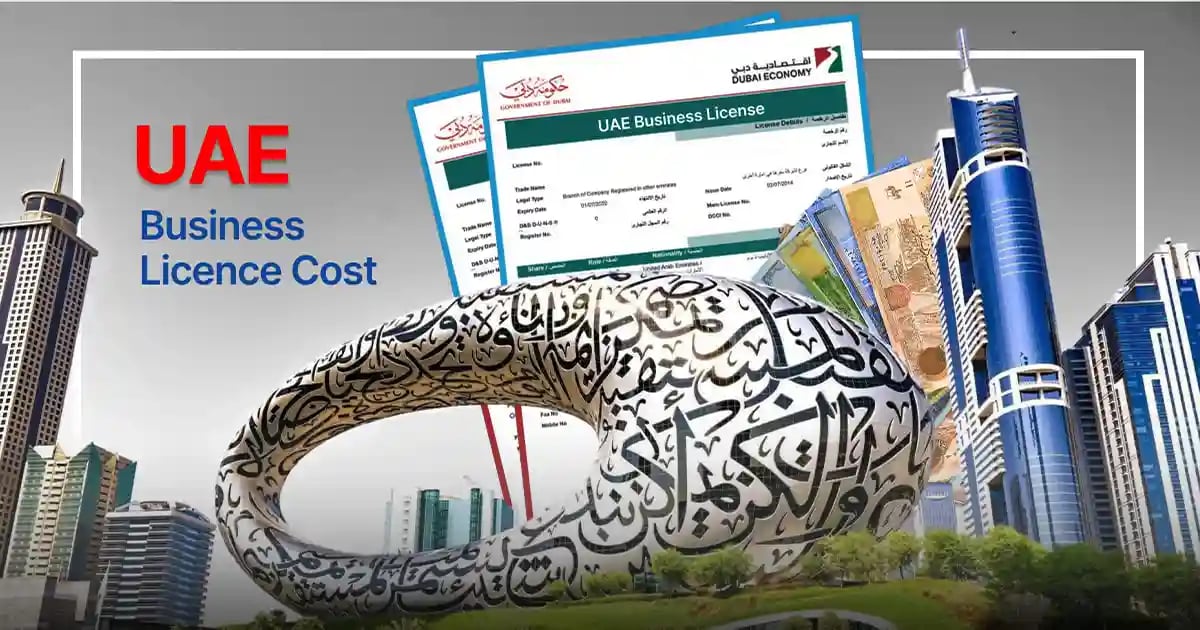
The total expenses for industrial licenses depend on the type of manufacturing, location, and scale. The choice between Free Zone and Mainland significantly impacts the cost of obtaining an industrial license in Dubai. Here’s a breakdown of industrial license costs in Dubai: 

Mainland Industrial License Costs

For businesses applying for an industrial license in Dubai through Dubai Economy and Tourism (DET), the common fees include:

Item Cost (AED)
Trade Name Reservation 600 – 1,000
Initial Approval Certificate 1,000 – 1,500
Industrial License Fee 8,000 – 15,000
Ejari Tenancy Registration 2,000 – 4,000
Civil Defense & Municipality Approvals 3,000 – 7,000
Notarization & Admin Fees 1,500 – 3,000

The total mainland industrial license fees typically range from AED 14,000 to AED 30,000, excluding machinery, fit-outs, and other operational setups.

Free Zone Industrial License Packages

Free Zones offer industrial setup packages with benefits such as customs duty exemptions and reduced utility tariffs. Their costs are as follows:

Free Zone Cost Range (AED)
Dubai South Starting from 25,000
JAFZA 30,000 – 50,000
Dubai Industrial City Starting at 28,000 for SMEs

These setups usually require a dedicated facility within the zone, with additional costs depending on the size and location of the property.

Additional Costs to Consider

Several additional expenses contribute to the overall cost of acquiring an industrial license in Dubai:

  • Machinery & Equipment Imports: Varies based on the industry.
  • Factory Fit-Out & Safety Installations: Includes fire systems, ventilation, etc.
  • Visa Application Fees: AED 3,000 – AED 5,000 per visa.
  • Health Insurance: Starts at AED 1,500 per person annually.
  • Utility Deposits & DEWA Connections: AED 5,000 – AED 15,000, based on facility size.

Renewal & Ongoing Compliance Costs

After receiving the industrial trade license, annual renewal and compliance fees include:

  • Ejari Renewal: Depends on lease value.
  • Audit & Compliance Reports: AED 5,000+ annually.

For a detailed breakdown of the costs involved in obtaining your license in Dubai, check out our post on How Much Does a License Cost in Dubai?.

Post-Licensing Steps After Obtaining an Industrial License in Dubai

Once you have acquired your industrial license in Dubai, several post-licensing requirements must be completed to ensure smooth operations. They are:

a. Registration & Compliance Responsibilities

After receiving your manufacturing license in the UAE, you must complete a few critical steps to begin operations:

  • Ensure that your business is registered with Dubai Customs for smooth import/export operations.
  • Set up a corporate account with a local bank to manage your business transactions efficiently.
  • Process employee visas to legally employ foreign nationals in your industrial facility.
  • Make sure that your facility meets all required operational standards, including safety and zoning regulations.

b. Ongoing Obligations

Maintaining your industrial license in the UAE requires adherence to ongoing legal and operational duties:

  • License Renewals: Ensure you renew the trade license before it expires. Dubai trade license renewal fees typically range from AED 8,000 to AED 15,000.
  • Reporting Requirements (if required): Submit reports and financial statements to authorities when requested. Industrial companies only submit reports upon request.
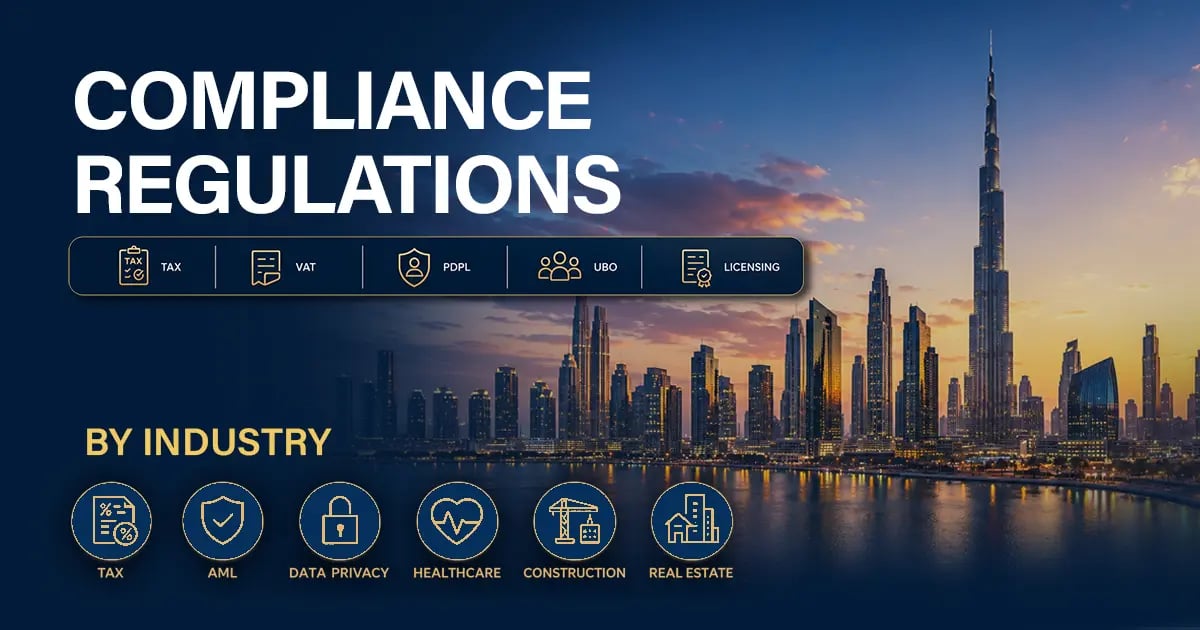
  • Maintaining Safety & Environmental Standards: Follow safety protocols and meet environmental standards. Obtain approvals from the Ministry of Industry and Advanced Technology (MoIAT) and relevant environmental authorities to comply with Dubai’s industrial regulations.

By staying compliant with these post-licensing requirements, you ensure your business can operate without legal issues.

If you’re exploring business options in Dubai, understanding the licensing process is crucial. Read our detailed blog, “How to Apply for a DET License in Dubai?” 

Common Challenges & How to Avoid Them

Understanding the common challenges can help you navigate the application process smoothly. Here are some key challenges businesses often face:

  1. Delays with External Approvals: External approvals often take time, delaying the process. To avoid this, ensure the timely submission of required documents and maintain constant communication with relevant authorities.
  2. Documentation Errors: Errors in documents can lead to rejection. Double-check all paperwork and ensure that every detail meets the specific requirements of authorities.
  3. Non-Compliant Facility Layout: A layout that doesn’t meet safety or zoning standards can cause delays. Work with experienced architects to ensure your facility complies with all local regulations.
  4. Choosing an Incorrect Industrial Zone: Choosing the wrong zone can limit operations. Research the best industrial zones that align with your business activity and legal requirements.

To avoid these challenges, plan ahead, stay organized, and work closely with the right experts.

If you want expert guidance and seamless assistance in obtaining your industrial license in Dubai, reach out to SafeLedger. With our extensive experience and dedicated team, we ensure your business setup process is smooth and compliant. Contact us today!

Frequently Asked Questions


1. What is an Industrial License in Dubai?

An industrial license in Dubai is required for businesses engaged in manufacturing, assembling, or processing goods. Issued by the Dubai Department of Economy & Tourism (DET), it allows companies to legally operate within the industrial sector. Without this license, businesses cannot conduct industrial activities in Dubai.

2. What Types of Industrial Licenses are Available in Dubai?

Dubai offers three types of industrial licenses based on the size and risk of operations: Light, Medium, and Heavy Industrial Licenses. Light licenses cover small businesses, medium licenses apply to larger facilities, and heavy licenses are for industries with high safety or environmental risks.

3. How Much Does an Industrial License Cost in Dubai?

The cost of an industrial license in Dubai varies. For mainland licenses, fees typically range from AED 14,000 to AED 30,000, excluding setup costs.  Free Zone industrial license costs range from AED 25,000 to AED 50,000, depending on the zone and facility size.

4. How Do I Renew an Industrial License in Dubai?

To renew an industrial license in Dubai, submit your renewal application to the relevant authority, along with the necessary documents and payments. Renewal costs generally range from AED 8,000 to AED 15,000, depending on your business type.

5. What Are the Key Requirements for Obtaining a Manufacturing License in Dubai?

To obtain a manufacturing license in Dubai, you must submit your business plan, a valid trade name, tenancy registration, approvals from relevant authorities, and required documents. You must also choose an appropriate industrial zone for your facility.

6. Can I Apply for an Industrial License in Dubai from Abroad?

Yes, you can apply for an industrial license in Dubai from abroad. Submit all necessary documents online through the relevant authorities. Remote applications are common, and business owners can handle most processes through dedicated service platforms.

7. How Long Does it Take to Obtain an Industrial License in Dubai?

The process typically takes 1 to 3 months to complete. The time varies depending on the type of business, documentation completeness, and the speed of external approvals. It's crucial to prepare all documents in advance to avoid delays.

8. Do I Need an Industrial License for Small Manufacturing Units in Dubai?

Yes, even small manufacturing units require an industrial license in Dubai. You can apply for a light industrial license, which is suited for smaller operations, such as small-scale factories or workshops under 2,000 sq ft.

9. What Are the Common Challenges When Applying for an Industrial License in Dubai?

Common challenges include delays in external approvals, errors in documentation, non-compliant facility layouts, and choosing the wrong industrial zone. To avoid these, submit complete documents on time, work with qualified professionals, and research suitable industrial zones.

10. Can Foreigners Get an Industrial License in Dubai?

Yes, foreigners can obtain an industrial license in Dubai. They must meet specific criteria and submit all necessary documents. Foreign investors can operate in Free Zones, where they can even own 100% of the business. However, some conditions may apply depending on the zone and business structure.

11. Can Foreign Investors Own 100% of an Industrial Company in Dubai?

Yes, foreign investors can now own 100% of an industrial company in Dubai. Recent reforms have abolished the previous rule that required a UAE national to hold 51% of the ownership. This change applies across most sectors in mainland Dubai, making it an attractive location for foreign investors.

12. Can I Convert a Trade License to an Industrial?

Yes, you can convert a trade license to an industrial license in Dubai. To do so, submit a conversion application along with the required documents and approvals from the DET. Ensure that your business activities align with industrial requirements before proceeding with the conversion process.

13. Is an Industrial License Mandatory for Manufacturing in Dubai?

Yes, an industrial license is mandatory for manufacturing businesses in Dubai. Without this license, you cannot legally operate in the industrial sector. Whether you own a small workshop or a large factory, obtaining a manufacturing license in the UAE is a crucial step in ensuring compliance with local regulations and industry standards.

14. Which Authority Issues Industrial Licenses in Dubai?

The Dubai Department of Economy & Tourism (DET) is the authority responsible for issuing industrial licenses in Dubai. DET oversees the application, approval, and regulation of industrial activities in Dubai. Businesses must meet all the criteria set by DET to obtain the necessary license for operating legally in the industrial sector.

Just Drop Your Info Below We’ll Get In Touch With You

Joel Dsouza

About the Author

Joel Dsouza

Joel Dsouza is a Chartered Accountant and compliance specialist with extensive experience advising over 1,000 startups and SMEs on company registration, tax structuring, and regulatory compliance. As a member of ICAI and Co-Founder of Safe Ledger, Joel combines his deep financial expertise with a global perspective to help entrepreneurs navigate complex business environments. Focused on the UAE market, he is dedicated to empowering international and local business owners with clear, practical guidance on company setup, tax optimization, and ongoing compliance making him a trusted advisor for businesses aiming to succeed in the dynamic UAE economy.

Related Posts

View All

Don't miss our daily updates

Stay updated with the latest news, tips, and exclusive offers. Subscribe to our newsletter!

WhatsApp Icon