safeledger logo
Business Setup

DMCC Company Regulations: Guide for Businesses in 2026

Reading Time6 min read
DMCC Company Regulations: Guide for Businesses in 2026
Table of Contents

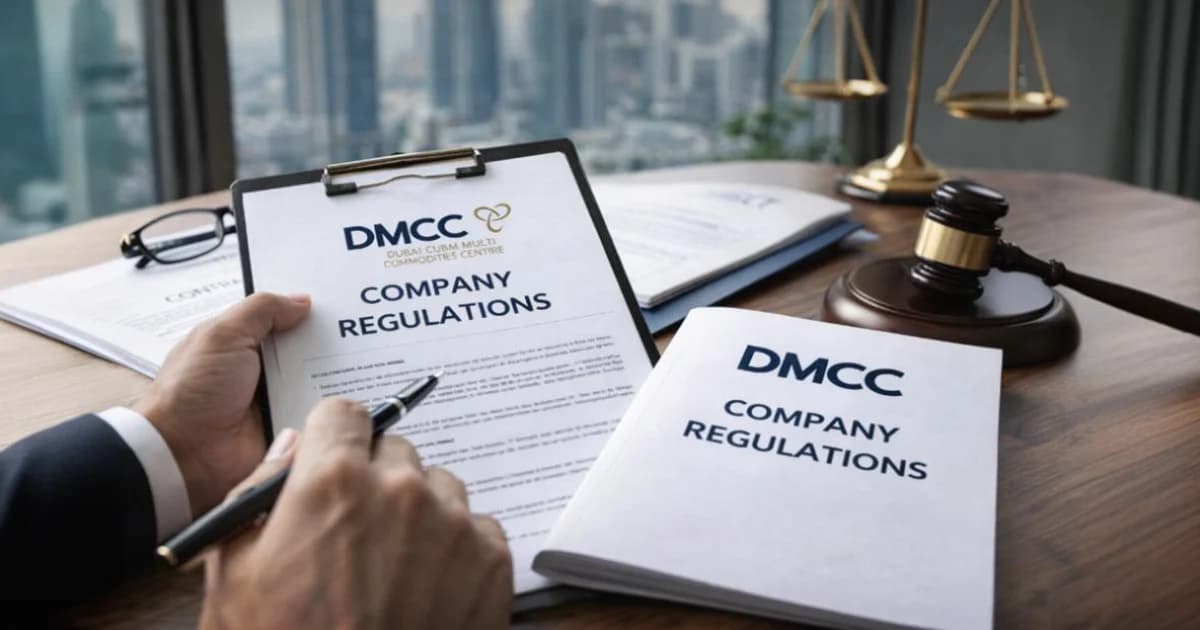
The DMCC company regulations set the rules for how businesses are established, managed, and operated in the Dubai Multi Commodities Centre (DMCC). It is one of the world’s leading free zones, hosting over 26,000 companies from more than 180 countries.

Investors enjoy benefits such as 100% foreign ownership and streamlined business processes. While DMCC companies often enjoy zero corporate tax (9% rate applies to profits above the UAE federal threshold). These factors make DMCC a top destination for trade, investment, and innovation.

The DMCC Authority oversees company registration, licensing, and compliance. All businesses must meet legal and operational standards. This guide outlines key regulations and practical steps to help businesses plan DMCC company formation and ensure full compliance.

What are DMCC Company Regulations? Legal Framework

DMCC company regulations govern how companies and branches operate within the free zone. They set clear rules for registration, licensing, corporate governance, compliance, and reporting. They also promote transparency and operational efficiency.

These regulations apply to all DMCC entities, including:

  • Free Zone Companies (FZCO)
  • Free Zone Establishments (FZE)
  • Special Purpose Vehicles (SPVs)
  • Family Offices
  • Specialized Entities

These rules protect stakeholders, support investors, and align DMCC with international business practices.

Key Regulatory Areas Covered by DMCC Company Regulations

DMCC company regulations define the essential rules businesses must follow to operate legally and efficiently in the free zone. Key areas include:

  1. Company Registration and Licensing: Regulations govern company formation in Dubai and trade license issuance. They specify the necessary documents and procedures.
  2. Corporate Structure and Governance: DMCC rules define allowed company structures, shareholding requirements, director appointments, and governance standards. These rules ensure clear accountability and transparent management across all business operations.
  3. Share Capital and Share Classes: Regulations outline the minimum share capital, permissible share classes, and shareholder rights. They allow flexible ownership structures while keeping companies fully compliant.
  4. Compliance and Reporting Obligations: All DMCC entities must follow annual audits, license renewals, and Ultimate Beneficial Owner (UBO) disclosures. These requirements ensure transparency, accountability, and alignment with international corporate standards.
  5. Company Dissolution and Migration: DMCC regulations define the procedures for winding up a company or migrating it into or out of the free zone. They include liability settlement, asset distribution, and deregistration through the DMCC Authority.

DMCC company rules differ from Dubai Airport Freezone regulations, as each free zone has its own compliance and licensing requirements.

Recent Regulatory Updates for DMCC Companies (2025–2026)

DMCC regularly updates its rules to match UAE best practices and international standards. These changes help businesses stay transparent, compliant, and competitive in Dubai’s leading free zone.

1. New Company Name Suffix Requirement: From 2 January 2025, all new companies in DMCC must use the suffix Free Zone Company (FZCO) instead of “DMCC.” Branches should use “FZ Branch.”

Existing companies have 18 months (until 30 June 2026) to update their names and documents. No penalties will be applied during this transition period.

2. Stronger Ultimate Beneficial Owner (UBO) Rules: DMCC now requires all owners holding 10% or more of a company to be registered and verified. This makes company ownership more transparent. It also helps businesses follow Anti-Money Laundering (AML) rules and international compliance standards.

3. Updated Economic Substance Regulations (ESR): Companies doing certain activities must file annual ESR reports. These reports show how key business activities generate income in the UAE. The rules now require more detailed documentation than before.

4. DMCC Connect 2.0 Digital Platform: DMCC introduced DMCC Connect 2.0, a digital system for licence renewals, UBO filings, and other compliance tasks. The platform uses AI-assisted verification. This makes processing faster and simpler for businesses.

5. Licensing for Specific Sectors: Some industries have new licensing rules. This includes digital assets, cryptocurrency, precious metals, and sustainable commodities. Certain licences now have minimum capital requirements and stricter due diligence.

6. Operating Outside DMCC: Free zone companies can now operate in other parts of Dubai if they get the relevant mainland business licence from the Dubai Department of Economy and Tourism (DET). Businesses must keep separate financial records for free zone and mainland operations.

Tip: Review each update carefully and plan your compliance tasks in advance to stay ahead of deadlines.

Read more: Which is the Cost to Get a DMCC License?

Types of Companies Recognized in DMCC Rules

DMCC provides different company structures to match business size, ownership type, and activities. Each structure has specific benefits and compliance requirements:

  1. Free Zone Company (FZCO): A Free Zone Company (FZCO) is a limited liability company with two or more shareholders. Ideal for small to medium businesses, it offers operational flexibility, governance clarity, and the ability to sponsor multiple visas.
  2. Free Zone Establishment (FZE): A Free Zone Establishment (FZE) has a single shareholder, making it perfect for sole proprietors or solo investors seeking full ownership and control. FZEs follow the same licensing and corporate governance requirements as FZCOs.
  3. Branch of a Foreign or Local Company: Companies registered outside DMCC can open a branch office in Dubai. These branches operate under the parent company’s license while adhering to DMCC rules on licensing, governance, and reporting.
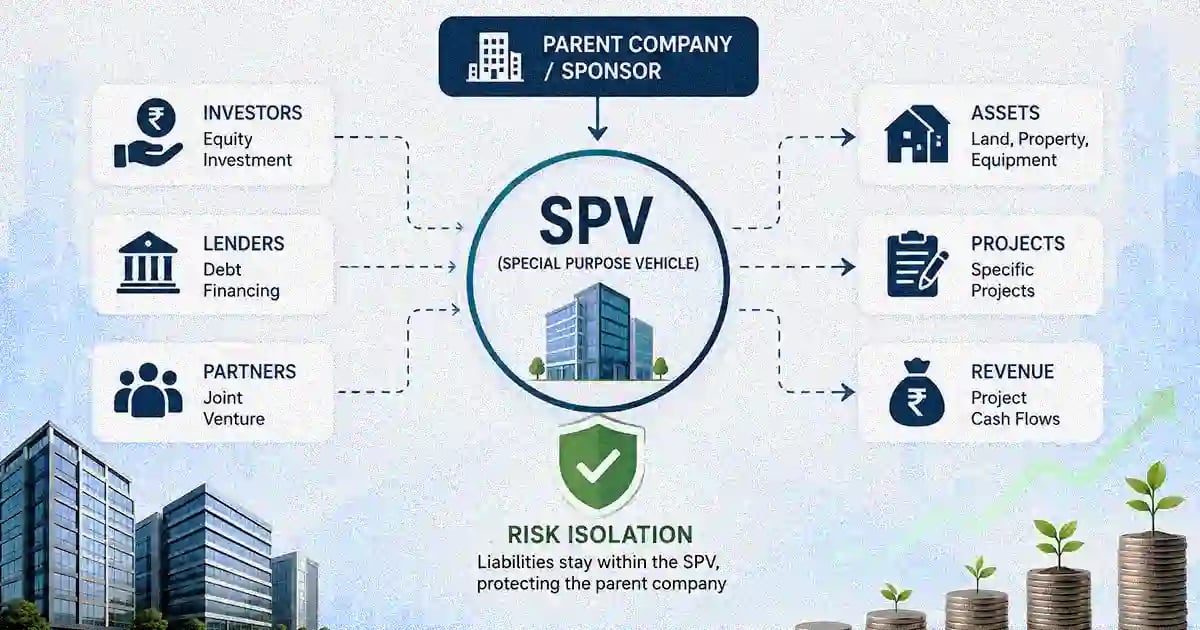
  4. Special Purpose Vehicle (SPV): A Special Purpose Vehicle (SPV) is created for specific projects, investments, or asset management. SPVs comply with DMCC rules on capital, governance, and UBO reporting, making them ideal for family offices or investment ventures.
  5. Companies Limited by Guarantee & Specialized Entities: These entities support professional or innovative services. They offer flexible ownership and management while adhering to licensing and governance rules.

Pro Tip: Choose your company type based on shareholders, business activity, and goals. Consulting a DMCC-approved business setup advisor like SafeLedger ensures the right choice and full compliance.

Compliance Obligations for Operating in DMCC

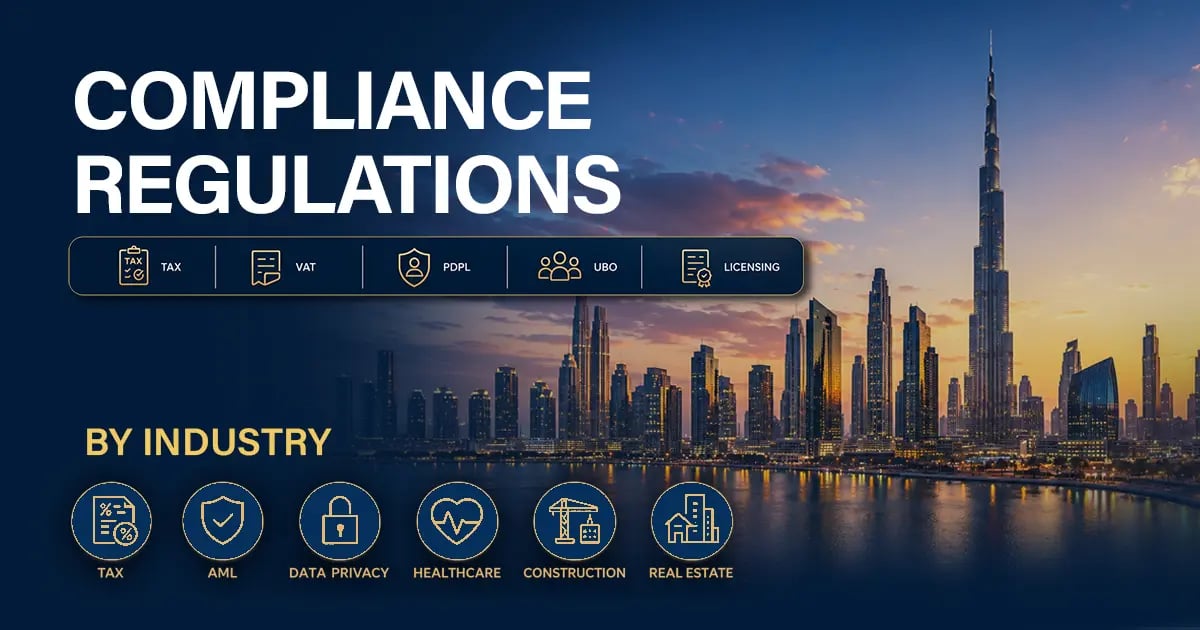
DMCC companies must follow financial, governance, AML/CFT, and tax rules. These regulations keep your business legal, compliant, and credible in Dubai’s free zone:

  1. Annual Requirements: Companies must renew trade licences annually and submit audited accounts and financial statements within prescribed deadlines.
  2. Anti-Money Laundering (AML) & Combating the Financing of Terrorism (CFT): DMCC businesses must implement AML procedures and conduct risk assessments to prevent money laundering and terrorist financing. Companies are also required to report suspicious activities to the relevant authorities in line with UAE regulations.
  3. Ultimate Beneficial Owner (UBO) Regulations: All companies must disclose their UBOs. DMCC requires registration and verification of UBOs to maintain full ownership transparency and comply with international standards.
  4. Economic Substance Regulations (ESR): Certain companies must comply with ESR, showing that sufficient economic presence and core income-generating activities exist in the UAE.
  5. Tax and Reporting Landscape: Businesses must follow UAE VAT requirements, including VAT registration, filing, and remittance. The 9% corporate tax framework applies to eligible entities, requiring accurate calculation of taxable income and consideration of exemptions.

Tip: Create a compliance calendar covering license renewals, audits, UBO updates, ESR reporting, and tax filings.

Contact us today to start your UAE business with complete clarity. Get your DMCC trade license easily and at the best price, without any guesswork!

Frequently Asked Questions

Most companies in DMCC complete the company registration and licensing process in about 10–15 working days, provided all documents are accurate and submitted correctly, and applications are processed smoothly through the authority’s online portal. Complex structures or additional approvals may take slightly longer.

Yes, obtaining a DMCC licence requires that your company have a registered physical address within the free zone, whether a flexi-desk, serviced office, or private office, because the free zone authority mandates a lease or tenancy contract as part of the licensing requirements before issuing a licence.

A DMCC company can operate commercially within the free zone itself directly, but to conduct business outside the free zone in the Dubai mainland, it must obtain the relevant mainland licence from the Department of Economy and Tourism (DET) or work with an authorized distributor or partner; this ensures legal commercial activity outside the free zone.

To register in DMCC you must submit identification documents for shareholders and directors, your proposed business activities, proof of address, Memorandum and Articles of Association, and a valid office lease agreement, with additional documentation needed if you are opening a branch of a foreign or local company, ensuring compliance from the outset.

DMCC requires every company to register and disclose its Ultimate Beneficial Owners, meaning individuals with ownership of 10% or more must be declared and verified; this ongoing disclosure is part of compliance with AML regulations and must be kept up to date with any ownership changes.

DMCC offers several licences, including trading, service, industrial, retail, and e-commerce licences tailored to your specific business activities, and selecting the correct licence is crucial because it directly determines what commercial activities you are legally authorised to perform under the DMCC regulatory framework.

Yes, a DMCC company must register for UAE VAT if its taxable turnover meets the federal threshold, and while qualifying free zone companies may enjoy a 0% corporate tax rate on qualifying income under UAE corporate tax laws, they must still comply with federal tax registration, reporting, and Economic Substance Regulations where applicable.

Once incorporated, a DMCC company must prepare for annual licence renewals, audited financial statements within deadlines, ESR filings, UBO record updates, and AML/CFT procedures, and keeping a structured compliance calendar helps avoid penalties and ensures operational continuity in the free zone.

SafeLedger helps companies maintain full compliance with DMCC regulatory requirements by guiding on UBO disclosures, corporate governance standards, ESR reporting, licence renewals, and digital filings, giving business owners confidence that every legal obligation is met accurately and on time while they focus on growth.

Yes, while DMCC’s free zone is broad-ranging, certain activities like gambling, explicit content, and those harmful to public health are not permitted, and some specialised industries may require additional approvals from other UAE regulatory bodies before the DMCC trade licence can be issued.

Yes, DMCC companies can enjoy a 0% corporate tax on qualifying income in 2026, making it an attractive free zone for businesses. However, companies must still comply with federal VAT, Economic Substance Regulations, and other reporting obligations to maintain their tax-free status. Staying up to date with these requirements ensures your company can fully benefit from DMCC’s tax advantages.

DMCC imposes strict penalties on companies that fail to comply with its regulations, including fines, suspension of licences, restrictions on operations, or even forced deregistration in severe cases. Penalties depend on the nature of the violation, and companies must respond promptly to avoid escalation. Maintaining proper records, timely filings, and adherence to all regulatory rules helps prevent these issues.

DMCC companies cannot freely operate on the Dubai mainland without proper approvals, but they can do so by obtaining a separate mainland licence from the Department of Economy and Tourism (DET) or partnering with a local distributor. Without this, they are limited to the free zone. Following the correct procedure ensures legal commercial activity beyond DMCC.

Yes, annual audits are mandatory for most DMCC companies to comply with regulatory requirements. Audited financial statements must be submitted to the DMCC Authority to maintain licence validity, support tax filings, and ensure transparency. Conducting timely audits also helps companies spot financial issues early and maintain credibility with investors, banks, and business partners.

WhatsApp Icon